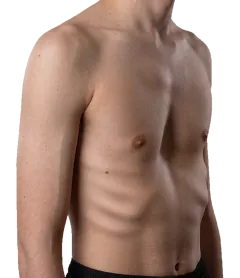
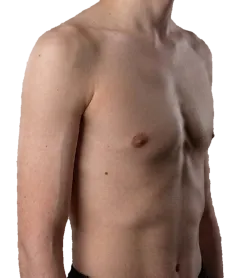
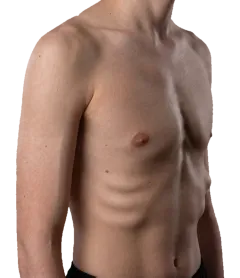
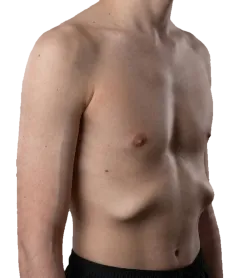
Train your chest.
Not against it.
Just bulking a sunken chest can make the dip look deeper. 16 weeks built on the only published clinical exercise method for pectus excavatum.





Joined by 1,000+ people fixing their chest without surgery, since 2015
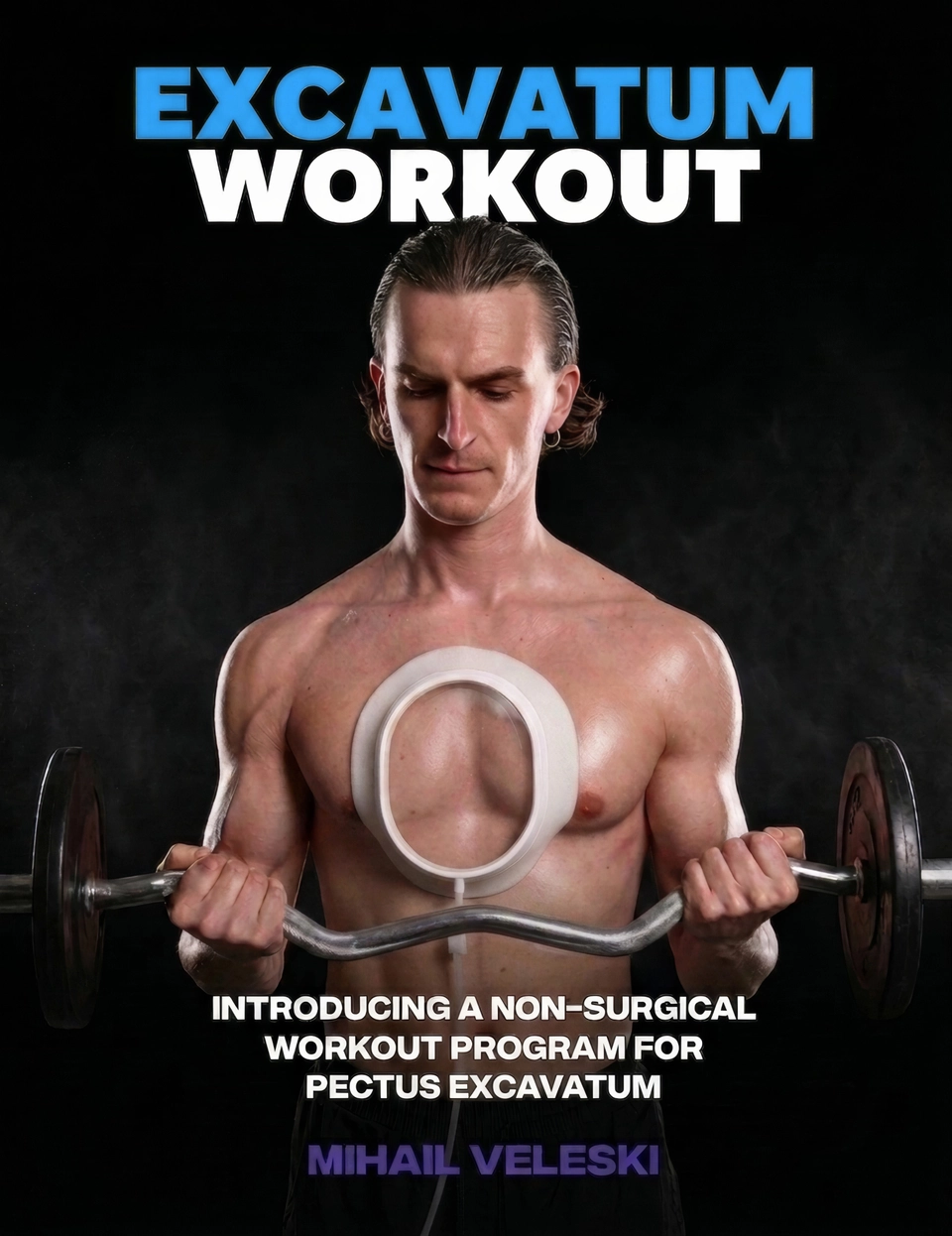
A bigger chest backfires here.
Train this instead.
Adding mass over a depression deepens the shadow. The research points elsewhere.
This in-app browser can only play video fullscreen. To watch it here in the page, open the menu in the corner and pick Open in browser.




You train hard and the
dip looks worse.
Most people with PE either avoid the gym or train in a way that deepens the depression. Here's why, and how a program built on the actual research changes the result.
Training isn't the danger.
It's one of your best tools.
Load the chest in a deep stretch so the pecs pull the sternum up instead of bulking over it, keep back volume equal to chest, and layer breathing and mobility on top daily. That is the whole 16-week arc.
One study was written
for a chest like yours.
Steward Cheung, a senior physiotherapist at Kwong Wah Hospital in Hong Kong, published this four-step plan in 2005. It is still the only exercise program ever written for pectus excavatum. These are his own figures.
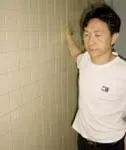
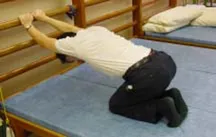
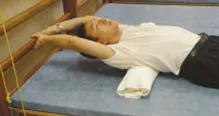
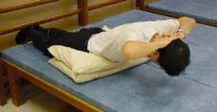
“All these origins can directly and forcibly pull the sunken sternum and infolding ribs up during the muscle contraction.”
Cheung, on fixing the arms overhead
Backed by the research,
not just my opinion.
Transformations
& Real Stories
Read them by rating, or by what people actually got out of it - the transformations, the honest reviews, and the messages that land in my inbox every week.


"I came across your blog about a year ago and I just want to say how much you've changed my life for the better. I thought it was going to be another average article, but the tips you gave were things I hadn't heard of before. Now I've improved so much and im more confident then ever."
"read the blog for months before i actually did anything with it. no coach, no brace, just the stuff in the articles done properly. i feel a lot better now and the photos say the rest"
"Two months in and I've put on 3 kg of muscle. My chest doesn't cave the way it used to when I'm standing relaxed, and that alone was worth it."
"the bell leaves a red ring on your chest the second you take it off, and nobody warns you about that. it fades within the hour and the skin has never been an issue since. 100% satisfied - the sternum sits higher than it has my whole life"
"He knows more about this than the two consultants I paid to see, which says more about them than it does about him. Showed my GP the 9 month photos and he asked me for the website. Half a star off because the time zones make the calls a nightmare from Ireland."
"watched the youtube for six years before i spent a single cent. bought the program, did it properly for 7 months, and the only thing i actually regret is the six years"
"Had the flare since i was about 14 and just assumed that was my ribcage, permanently. Brace plus the breathing drills and my mrs asked when i'd lost weight. I hadn't lost anything, it's just the ribs sitting where they should now."
"first call he told me straight up itd take a year and id hate months 2 through 5. he was right about both lol. 12 months on and my PC is flat. took my shirt off at the beach in january without doing the whole towel thing"
"didnt know you could be breathing wrong for 21 years. thats the whole thing right there. flare started going down on its own once i stopped breathing into my shoulders, which is not what i paid for but ill take it"
"the brace is made really good, i wear it under the t-shirt at school and nobody has noticed in 4 months. my mother was crying when we compare the photos. sorry for my english"
"ive bought like four programs for this over the years and quit every one of them by week two. finished this one. i think its cus you cant move on until you can actually hold the position, so theres never that thing where you're guessing if youre ready or not"
"My son is 15 and had started keeping a shirt on in the pool, which is how I worked out something was wrong in the first place, because he certainly wasn't going to tell me. He would never have stuck with the brace on his own. It was the fortnightly check-ins that did it - he didn't want to turn up with nothing to report. Six months now and the bump has visibly come down. He swims without the shirt."
"I went in wanting to debunk it, honestly. Started opening the citations one at a time and they were real papers that said what he said they said. That is a depressingly low bar and nowhere else online clears it."


Shared with each client's permission.
Did I help you with your pectus?
Share your before & after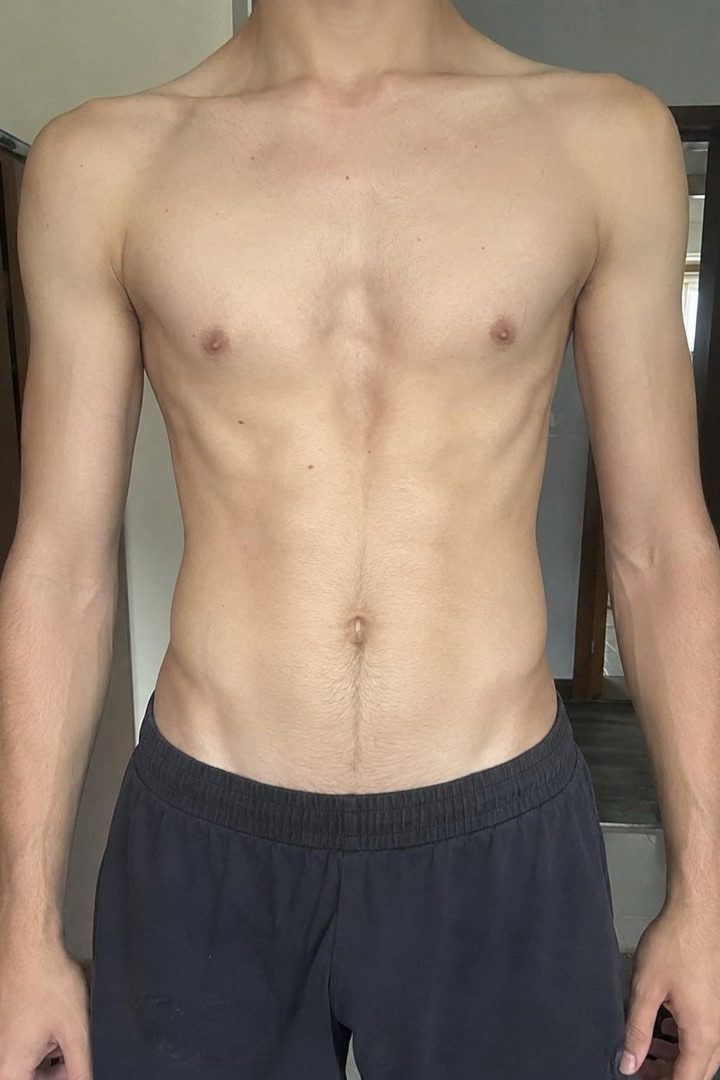 Before
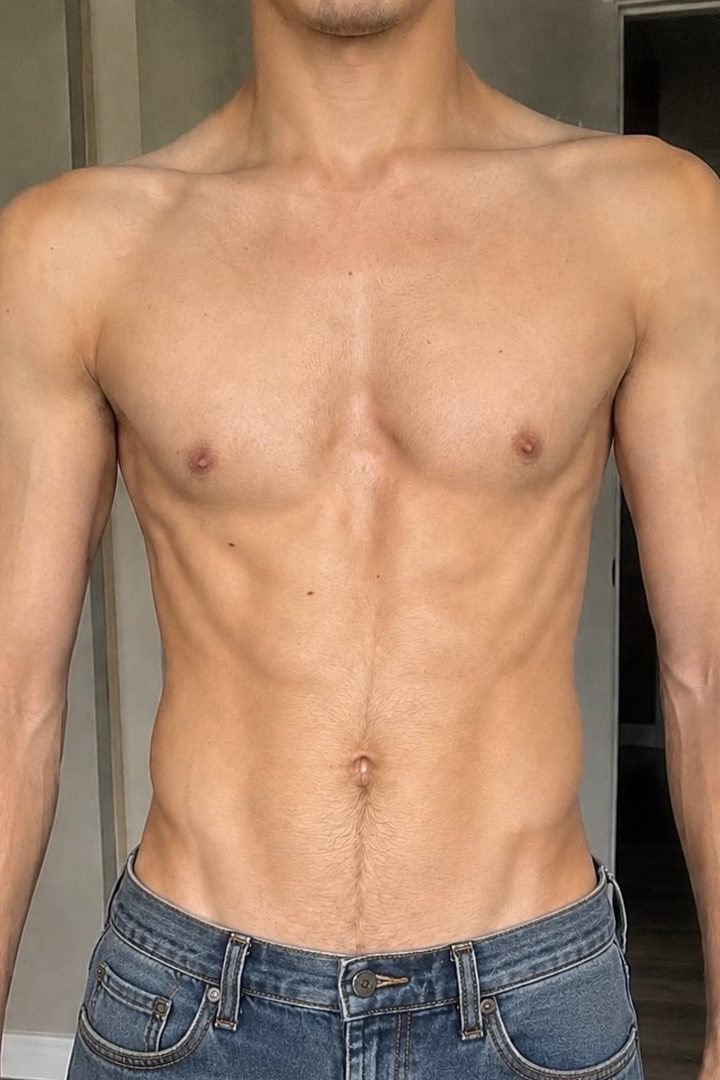 After
After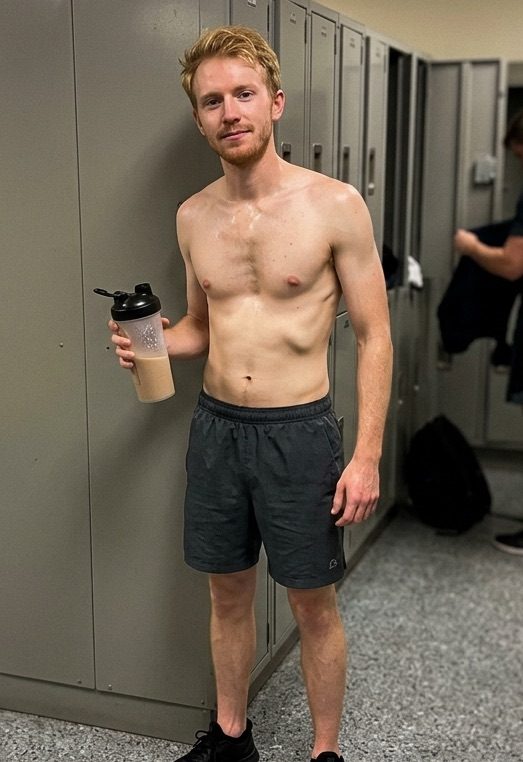 Before
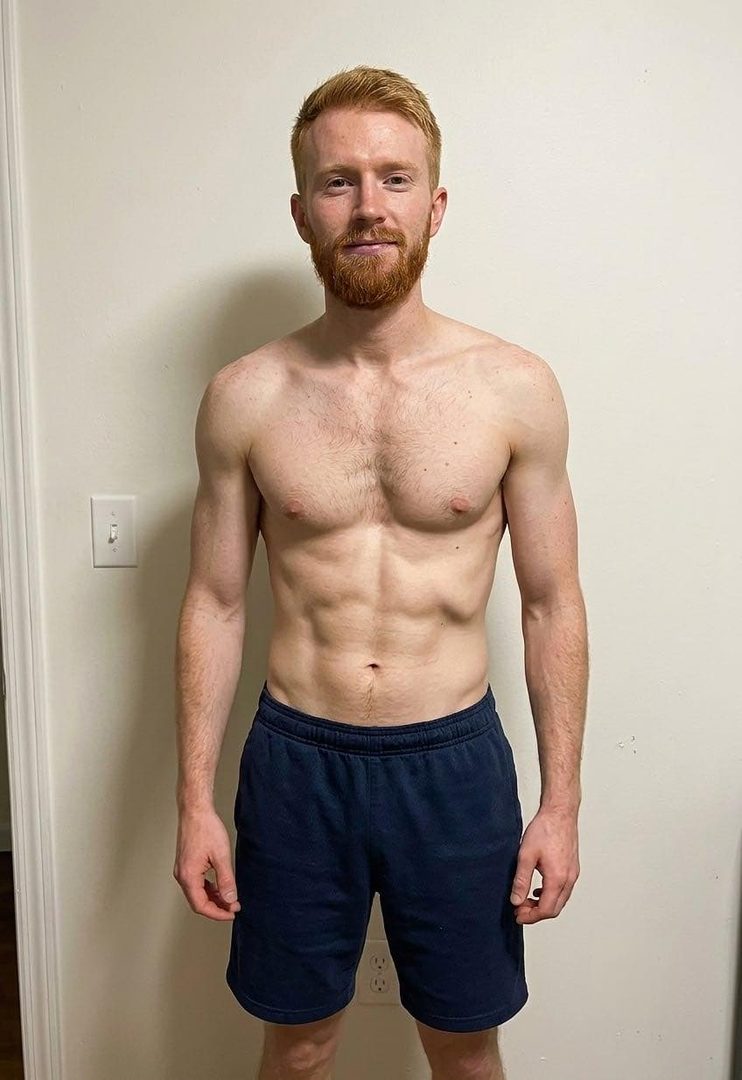 After
After
“I'm 32. Everything I ever read said the window on this shuts at 18 and after that you either get cut open or you live with it. Nine months, 5 kg on, 1 cm off the depth. Nobody is more annoyed about the wasted decade than me.”
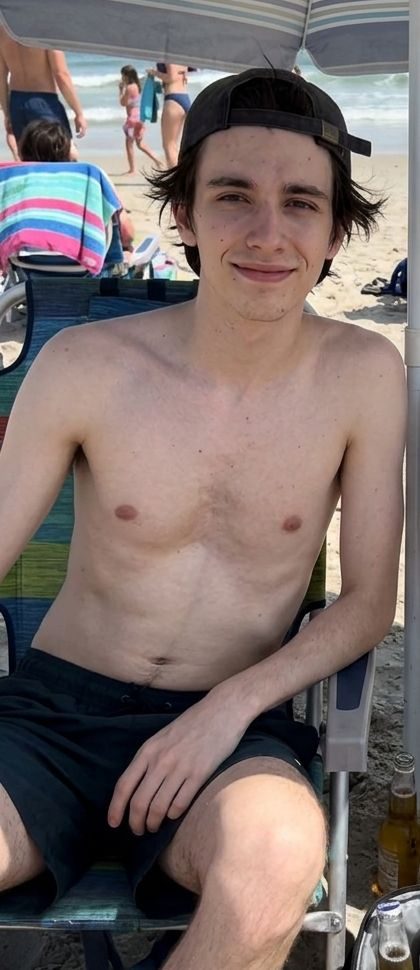 Before
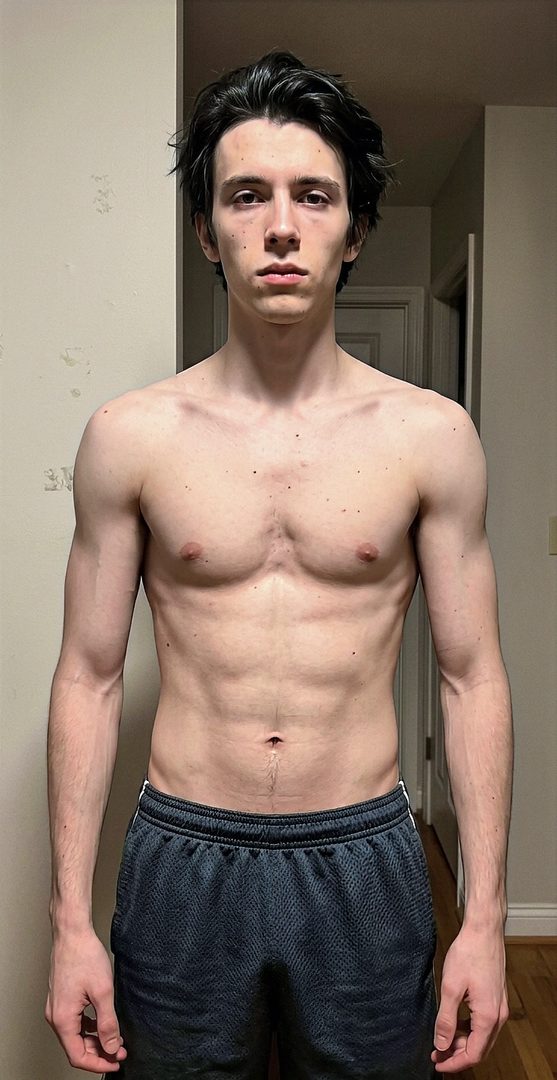 After
After
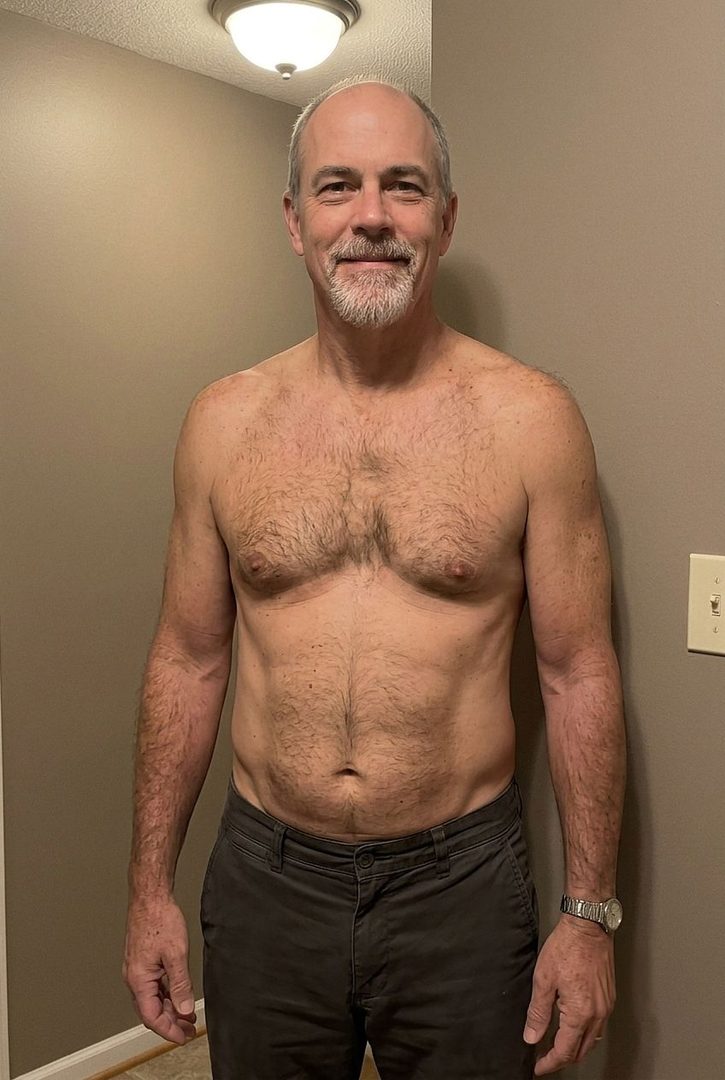
“came in skinny with a deep dip and ribs that stuck out at the bottom. six months, 4kg up. funny thing is nobody says anything about the dip, its the flare going down that people actually noticed”
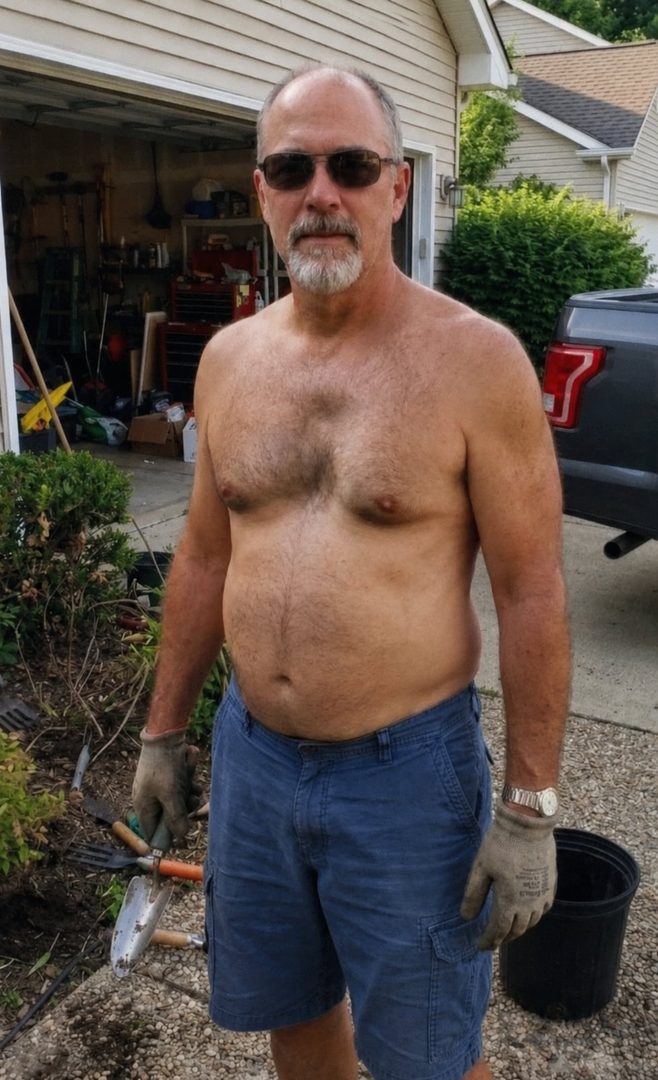 Before
 After
After
“I'm 52. I have both a bump and a dip, which I'm told is unusual, and I've had the pair of them since I was a boy. Nine kilos off in five months and for the first time my chest looks like one chest. I did not expect to be sorting this out at my age, but there we are.”
PE pectus excavatum · PC pectus carinatum · RF rib flare
Drag each slider to compare.Tap any case to open and compare. Published only with the client's written consent.
Three phases,
then loop it.
Same four full-body days every week. What changes is the load and reps, laid out week by week in the Progression Map. After week 16 you deload and restart Phase B with heavier numbers, a build you can run for years.
Start training rightLearn the movements and own the deep stretch. Higher reps, plenty left in the tank, groove the Cheung warm-up and breathing so the chest is mobile before you load it hard.
Add a set to the key lifts and push the reps. This is where you accumulate the 10–20 hard sets per muscle a week that muscle actually grows on, with back volume matching chest.
Heavier top sets on the compounds while keeping the stretch deep on the pullover and flye. Peak intensity, then finish strong but clean.
One easy week at half the sets to recover, then loop back to Phase B on your new, heavier baseline. Keep the daily stretch and breathing forever.
Everything the program
gives you.
The full contents,
nothing held back.
This is the whole program, front to back. It reads like a short book because a good result comes from understanding why the training works, not just following a spreadsheet. Read the science sections once and everything else clicks.
- Start
- Part 1Start here01–03
- 01How to use this program
- 02Why this program is different
- 03The study behind it (4,012 patients, 32 years)
- Part 2Part 1 · Understand04–06
- 04What pectus excavatum actually is
- 05The anatomy of your chest
- 06The "reverse origin" trick, the key to everything
- Part 3Part 2 · The science07–10
- 07Bone, Wolff's law and loading
- 08How muscle actually grows
- 09Why full-body, 4x a week
- 10Training the stretched position
- Part 4Part 3 · The framework11
- 11The Pectus Priority Pyramid, what to do first
- Part 5Part 4 · Do it12–16
- 12Self-assessment (severity, posture, breathing)
- 13The Cheung Method, warm-up + strength
- 14The 16-week program, gym + home
- 15Your 16-week progression map
- 16The breathing & posture daily plan
- Part 6Bonus · Go further17–19
- 17What to expect, month by month
- 18Common mistakes & troubleshooting
- 19Meditation & anxiety
- Part 7Reference20–22
- 20The exercise library, with PE cues
- 21FAQ
- 2225 full references
- Finish
Every claim that needs backing has a small lime citation number you can tap to see the exact study, 25 of them, listed in full in the reference section.
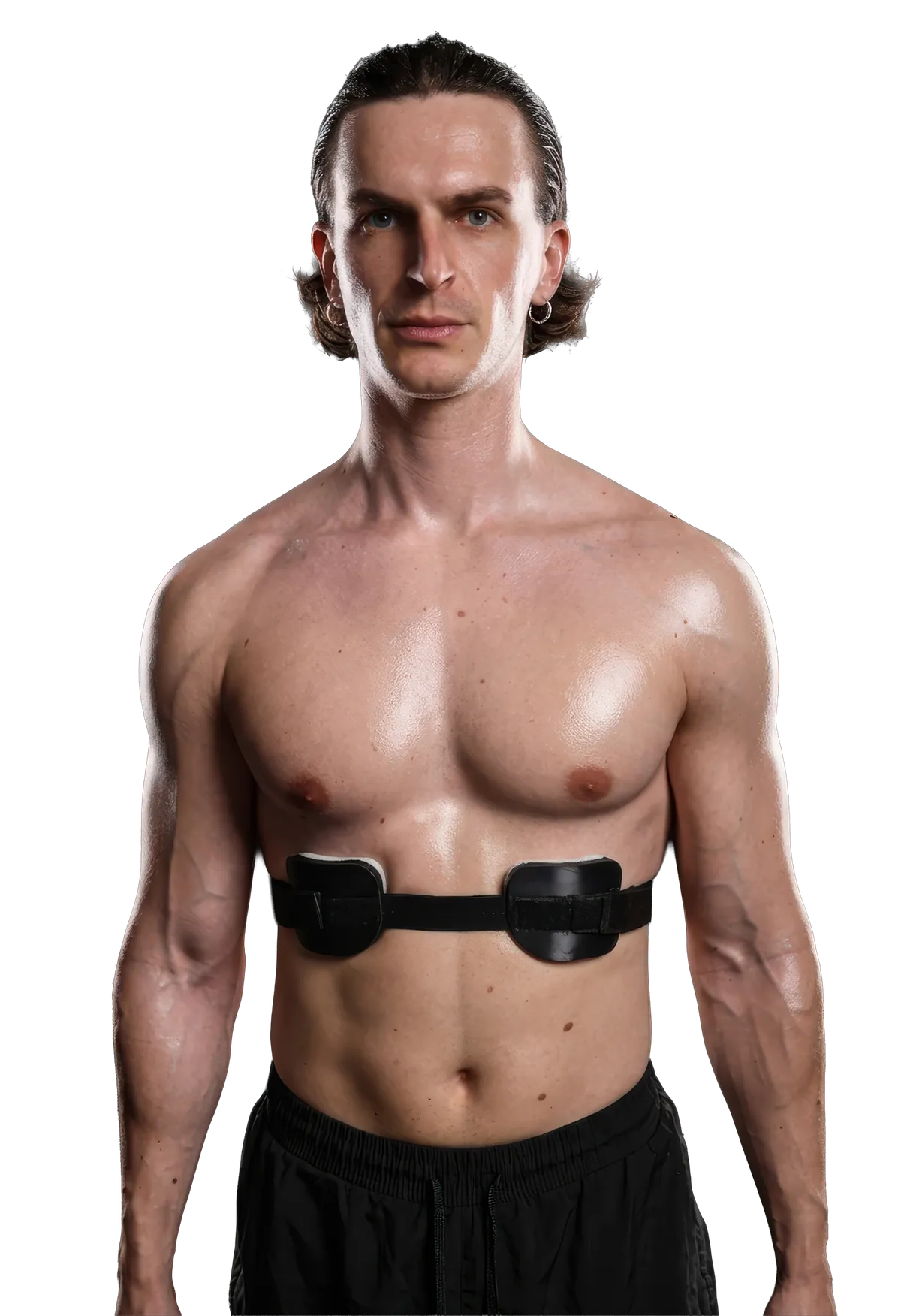
I fixed my own chest,
without surgery.
I spent a decade training a chest with pectus excavatum, made every mistake first, and read the research until I understood why some of it worked and most of it didn't.
This program is what I wish I'd had at the start. It's built on the only published clinical exercise plan for PE and the largest long-term study of fixing pectus without an operation, turned into simple sets and reps you can actually follow. Every exercise here is here for a reason, and the reason is cited.
Every exercise here is here for a reason. And the reason is cited.

Medical reviewer
Prof. Dr. Mustafa Yüksel, MD is the medical reviewer for the mrpectus correction plans. He checks the clinical claims they make.
Thoracic surgeon, founder of the Chest Wall International Group
What each path
actually costs.
Not in dollars. In time. Side by side, honestly.
Check you're the right
person for this first.
No surprises between
you and starting.
No waiting on a reply, no onboarding call, nothing to install.
16 weeks of training,
one small payment.
One payment, lifetime access, free updates forever. The full, cited PE training program for less than a single personal-training session.
Try the whole thing for 30 days. Use it, and if it isn't what was described, message me for a full refund, no questions asked. The risk stays with me, not you.
Common questions.
Do I need a gym, or can I do this at home?+
Both work. The program comes in a full gym version and a home version built around bands and bodyweight (deficit push-ups, inverted rows, band pullovers). You get both, so you can switch as your setup changes. Home sessions run about 35 minutes, gym sessions about 45.
I've been told not to do heavy chest training with PE, is that right?+
The largest long-term pectus study found that just building big pecs over a sunken chest can make the dip look deeper and the chest stiffer. So the fix isn't no training, it's the right training: chest work done in a deep stretch, matched with equal back and posture volume, plus daily breathing and mobility. That's exactly how this program is built.
How many days a week is the training?+
Four short full-body days a week, every other day, so you never hammer the same thing two days running. That lets you hit each muscle 2–3 times a week and stack the 10–20 hard sets per muscle the research points to. If life gets busy, three is still plenty.
Can beginners follow this?+
Yes. Phase A assumes no training background and builds the movements from the ground up. The push-ups come in three progressive levels, and every key lift has a cue. Advanced trainees move through Phase A quickly and find the challenge in Phase C.
Do I need a vacuum bell?+
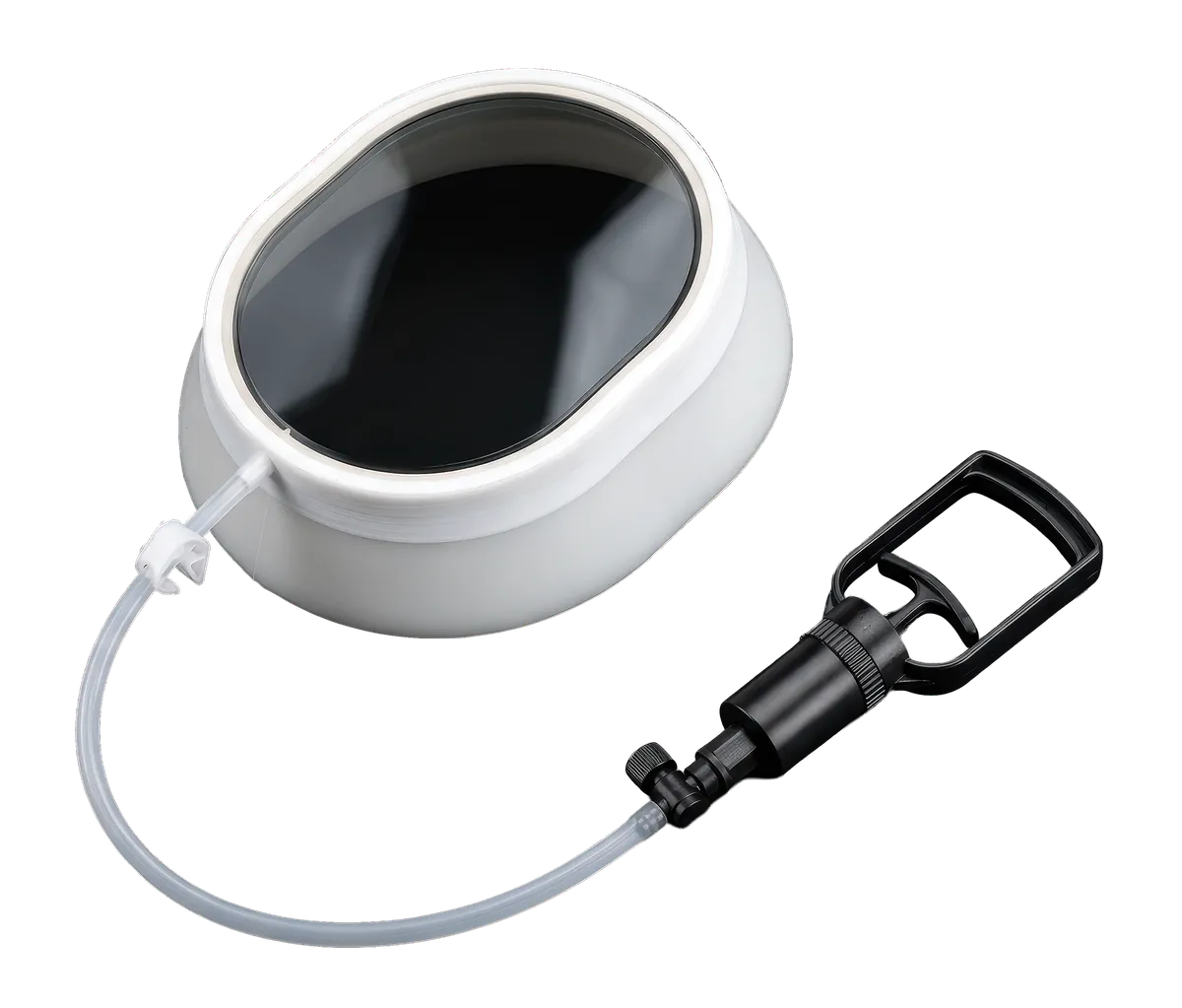
No. A vacuum bell is an optional complement, it supplies the steady outside force the research talks about and is the strongest non-surgical add-on for good candidates (younger, milder, flexible chest). It's used separately from the training. This program works fully on its own without one.
How long until my chest actually looks different?+
Posture shifts fastest, standing tall already makes the dip look shallower, and that happens in the first weeks. Visible muscle that reframes the dip takes a few months of consistent, progressive training. Any bone-level change is a slow, mostly-younger-person, vacuum-bell story. The program includes an honest month-by-month timeline so you don't quit early.
How is this different from the PE course?+
The course is the complete correction system across every non-surgical tool. This program is the dedicated training arm: the science, the Cheung Method, a 16-week gym + home plan, breathing, posture and self-assessment. They pair well; if correction is the goal and you only pick one, pick the course.
Will this make my sternum pop out?+
Be honest with yourself: training reliably builds the muscle and fixes the posture around the dip, which changes how your chest looks a lot. It does not reliably re-shape bone. The headline win is the frame, not the hole, and that's a win worth having.
I'm skinny and self-conscious in the gym, is this for me?+
It's built for exactly that starting point. Phase A is deliberately simple, the home version means you can start without a gym at all, and every exercise is explained. Nothing early on needs the busy side of the gym.
How do I get access after checkout?+
Straight away. The moment your payment clears, an email goes out with your link and the password that opens it - usually inside a minute. You type the password once on a device and the page just opens from then on. There is no app, no download and no file to lose: it lives at a fixed web address, so you can bookmark it, read it on your phone between sets, or print the whole thing if you would rather have paper. Anything I add or rewrite later appears on that same page and I email you to say so - free, for as long as the page exists. If nothing has arrived in ten minutes, check spam, then message me and I will send it over myself.
What if it’s not for me?+
You have 30 days. If the training isn't what I said it was, one email gets you a full refund and I won't ask you to justify it.
Three honest ways forward.
Take the free 1-minute assessment and get a straight answer for your condition and severity.
Take the assessment →The chat bubble in the corner reaches me directly, ask anything about your case before you decide.
Try the whole thing. If it isn't right for your chest, every dollar comes back.
Start risk-free →Train for it,
not against it.
16 weeks built on the only published clinical exercise method for pectus excavatum. Deep-stretch chest work, a balanced back, daily breathing and posture, and real muscle that frames the dip instead of deepening it. For less than one PT session.
Start training rightP.S. If you've read this far, part of you has already decided. The only thing you can lose by trying is the version of next year where nothing changed. - Mihail