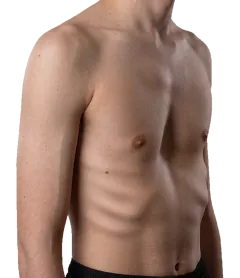
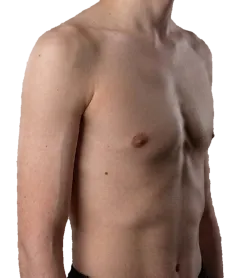
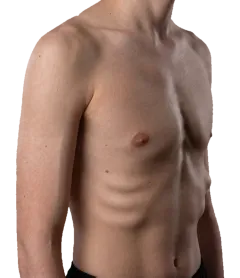
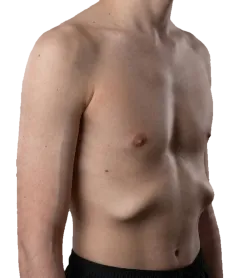
Flatten the bump.
The whole system.
Pectus carinatum is the most correctable type there is, if the brace, the breathing and the training pull together. Nine modules that make them.



Joined by 1,000+ people fixing their chest without surgery, since 2015
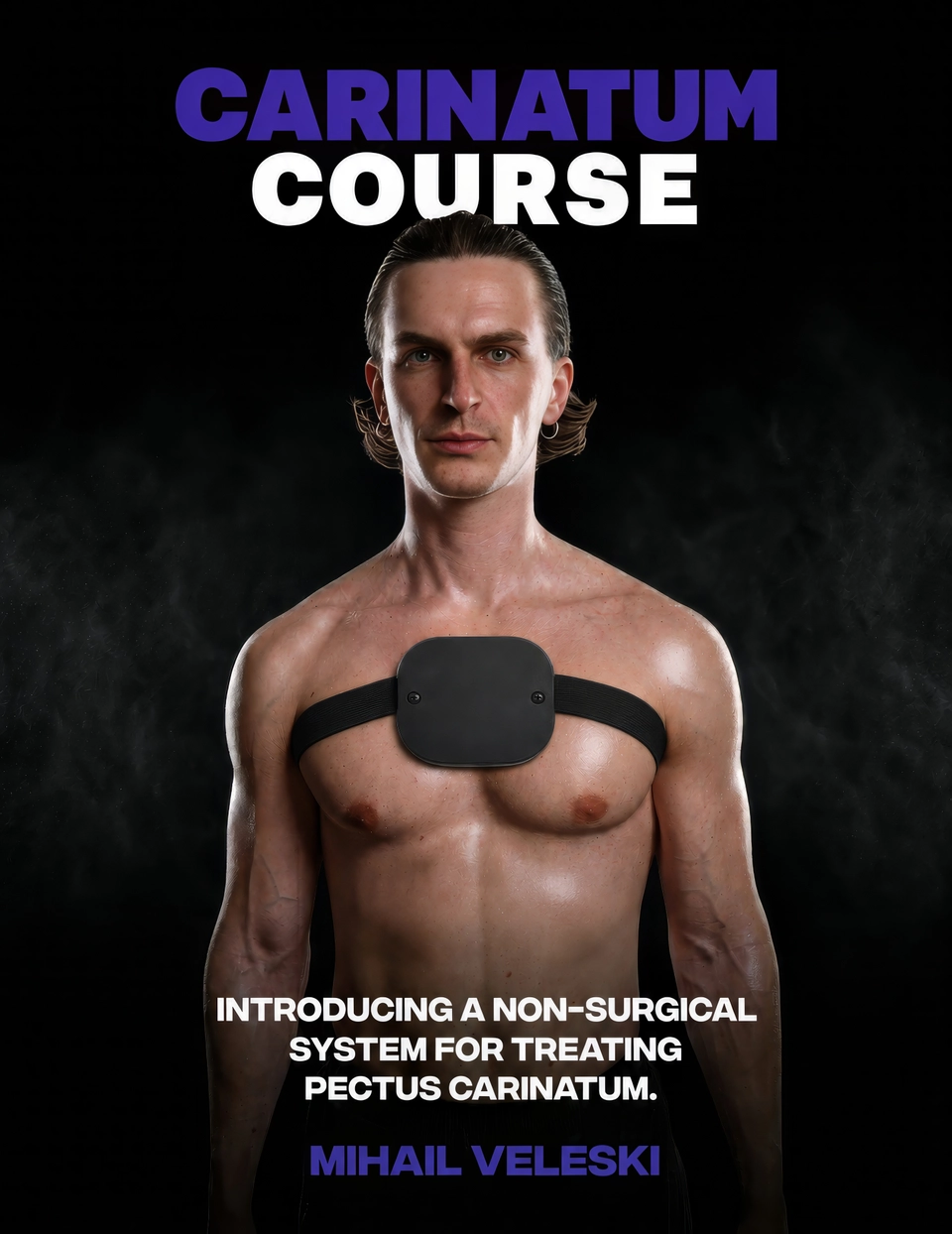
The brace isn't the plan.
This is the plan.
Compression only holds if the hours, the angle and the training line up.
This in-app browser can only play video fullscreen. To watch it here in the page, open the menu in the corner and pick Open in browser.




You have the brace.
Nobody gave you a plan.
A brace applies pressure. Whether that pressure becomes correction depends on fit, schedule, breathing, exercise and posture working together. Here's where it usually breaks down.
Carinatum corrects better than any other pectus type.
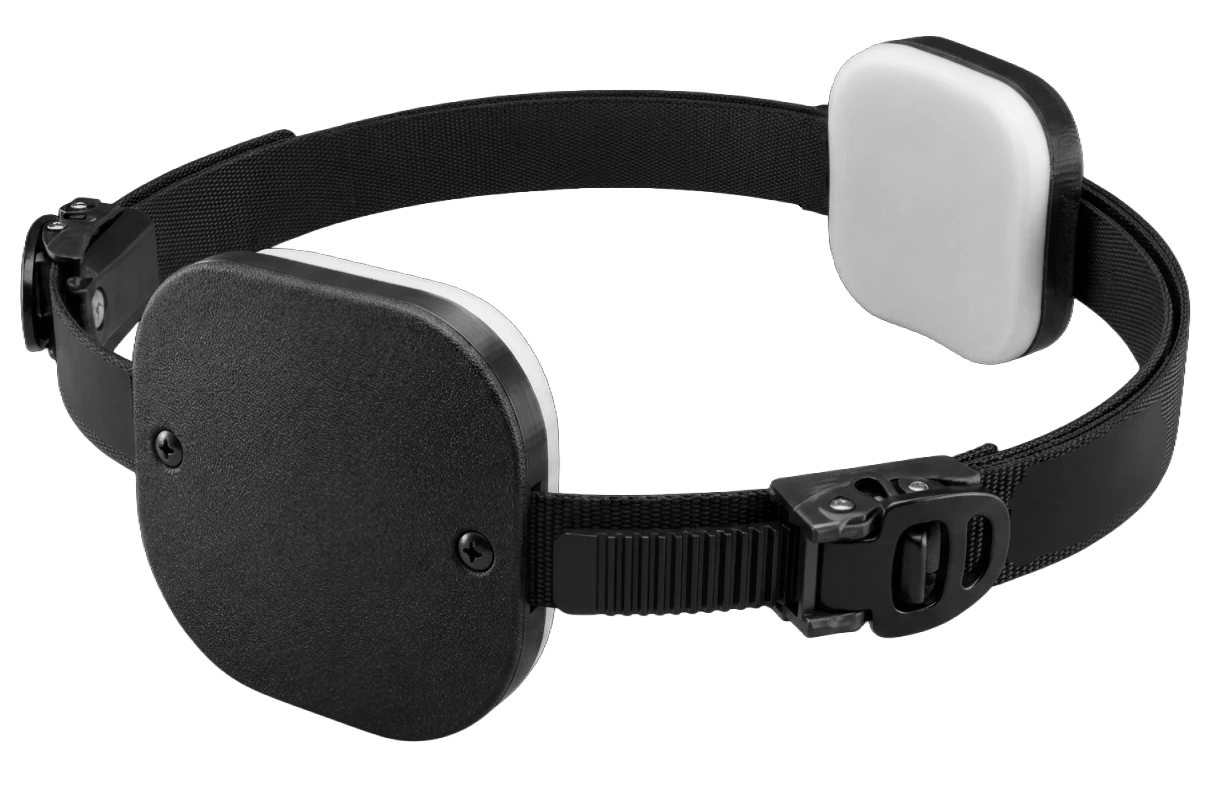
Carinatum cartilage is flexible, and it remodels under steady compression - the same principle as braces on teeth. Get the fit, the hours and the breathing pulling together, and the bump settles back.
Backed by the research,
not just my opinion.
Transformations
& Real Stories
Read them by rating, or by what people actually got out of it - the transformations, the honest reviews, and the messages that land in my inbox every week.




"first call he told me straight up itd take a year and id hate months 2 through 5. he was right about both lol. 12 months on and my PC is flat. took my shirt off at the beach in january without doing the whole towel thing"
"the brace is made really good, i wear it under the t-shirt at school and nobody has noticed in 4 months. my mother was crying when we compare the photos. sorry for my english"
"My son is 15 and had started keeping a shirt on in the pool, which is how I worked out something was wrong in the first place, because he certainly wasn't going to tell me. He would never have stuck with the brace on his own. It was the fortnightly check-ins that did it - he didn't want to turn up with nothing to report. Six months now and the bump has visibly come down. He swims without the shirt."
"I came across your blog about a year ago and I just want to say how much you've changed my life for the better. I thought it was going to be another average article, but the tips you gave were things I hadn't heard of before. Now I've improved so much and im more confident then ever."
"read the blog for months before i actually did anything with it. no coach, no brace, just the stuff in the articles done properly. i feel a lot better now and the photos say the rest"
"Two months in and I've put on 3 kg of muscle. My chest doesn't cave the way it used to when I'm standing relaxed, and that alone was worth it."
"Had the flare since i was about 14 and just assumed that was my ribcage, permanently. Brace plus the breathing drills and my mrs asked when i'd lost weight. I hadn't lost anything, it's just the ribs sitting where they should now."
"didnt know you could be breathing wrong for 21 years. thats the whole thing right there. flare started going down on its own once i stopped breathing into my shoulders, which is not what i paid for but ill take it"
"the bell leaves a red ring on your chest the second you take it off, and nobody warns you about that. it fades within the hour and the skin has never been an issue since. 100% satisfied - the sternum sits higher than it has my whole life"
"He knows more about this than the two consultants I paid to see, which says more about them than it does about him. Showed my GP the 9 month photos and he asked me for the website. Half a star off because the time zones make the calls a nightmare from Ireland."
"ive bought like four programs for this over the years and quit every one of them by week two. finished this one. i think its cus you cant move on until you can actually hold the position, so theres never that thing where you're guessing if youre ready or not"
"watched the youtube for six years before i spent a single cent. bought the program, did it properly for 7 months, and the only thing i actually regret is the six years"
"I went in wanting to debunk it, honestly. Started opening the citations one at a time and they were real papers that said what he said they said. That is a depressingly low bar and nowhere else online clears it."
Shared with each client's permission.
Did I help you with your pectus?
Share your before & after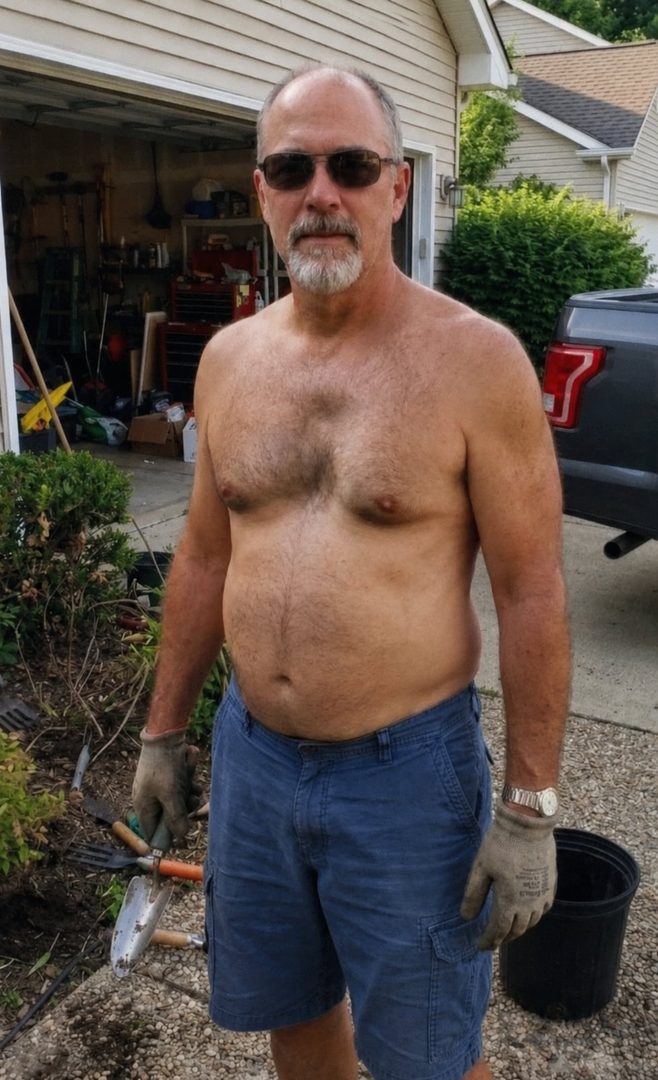 Before
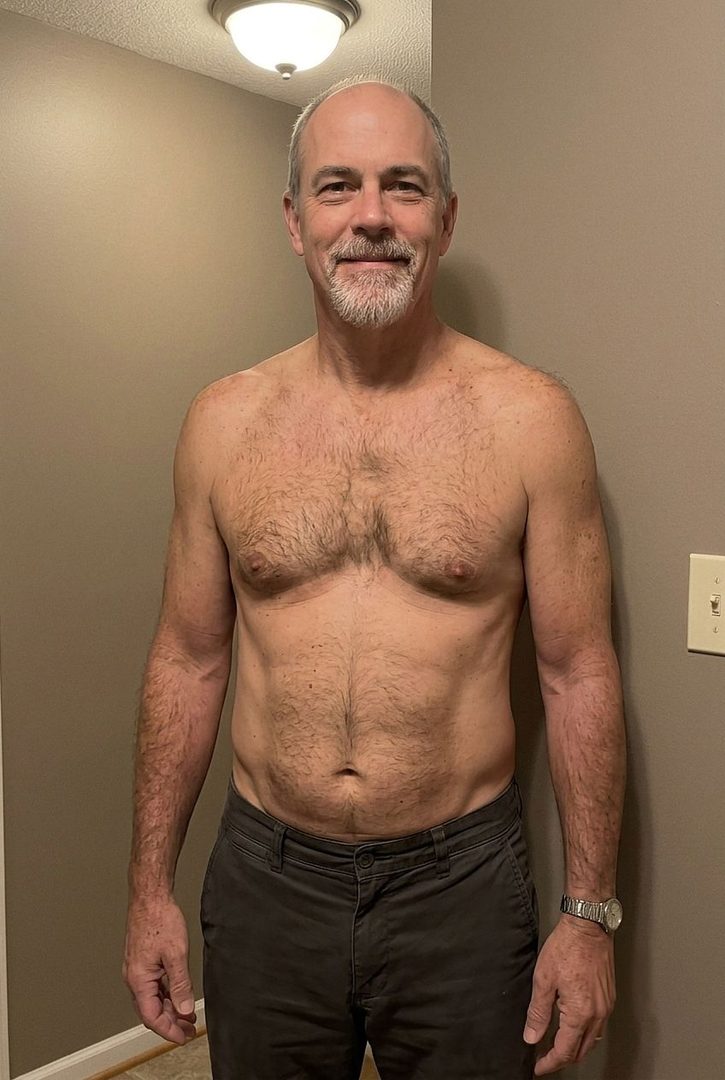 After
After
“I'm 52. I have both a bump and a dip, which I'm told is unusual, and I've had the pair of them since I was a boy. Nine kilos off in five months and for the first time my chest looks like one chest. I did not expect to be sorting this out at my age, but there we are.”
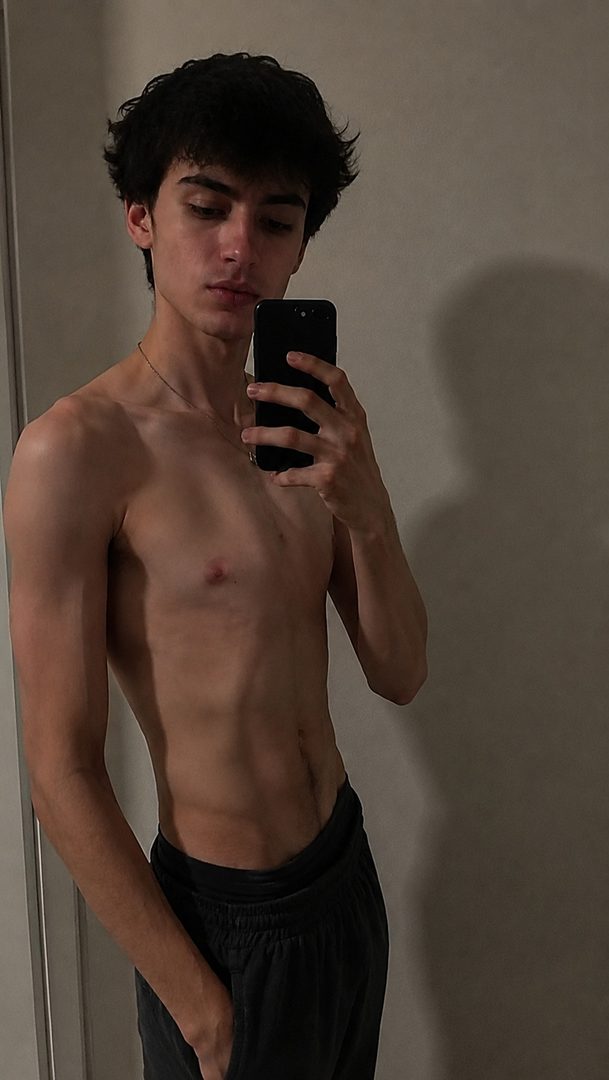 Before
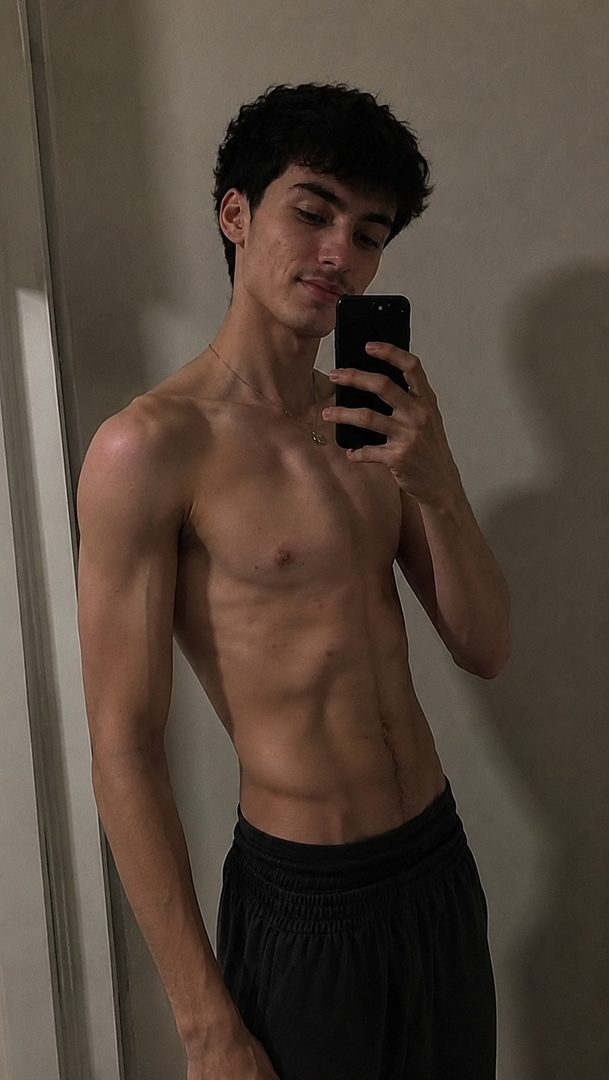 After
After
“3 months and 5kg later the bump is sitting lower than its ever been. i was 100% convinced surgery was the only option, like id already looked up how much it costs and everything”
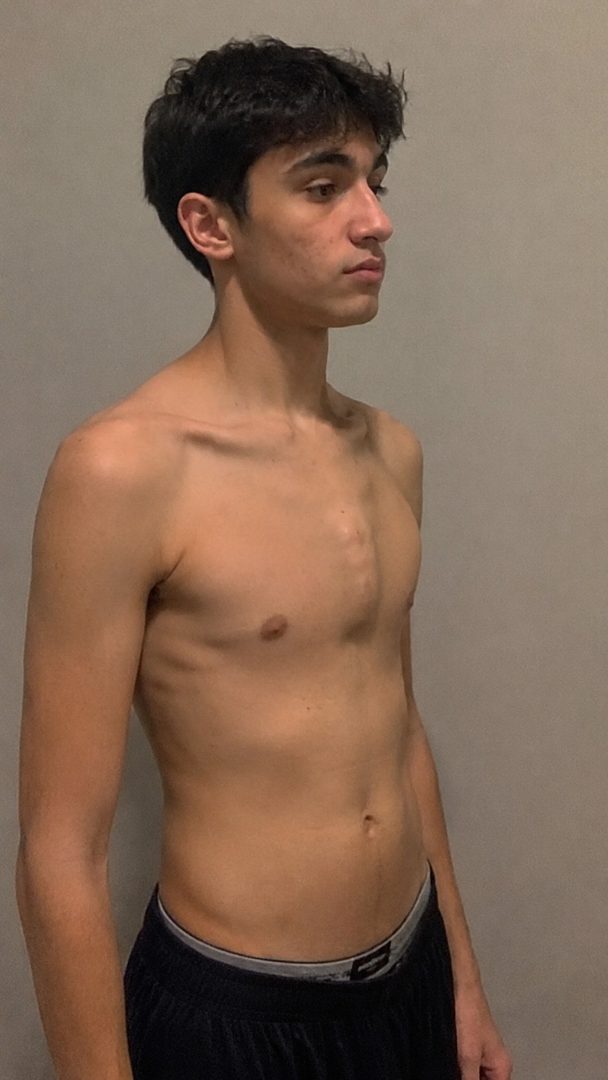 Before
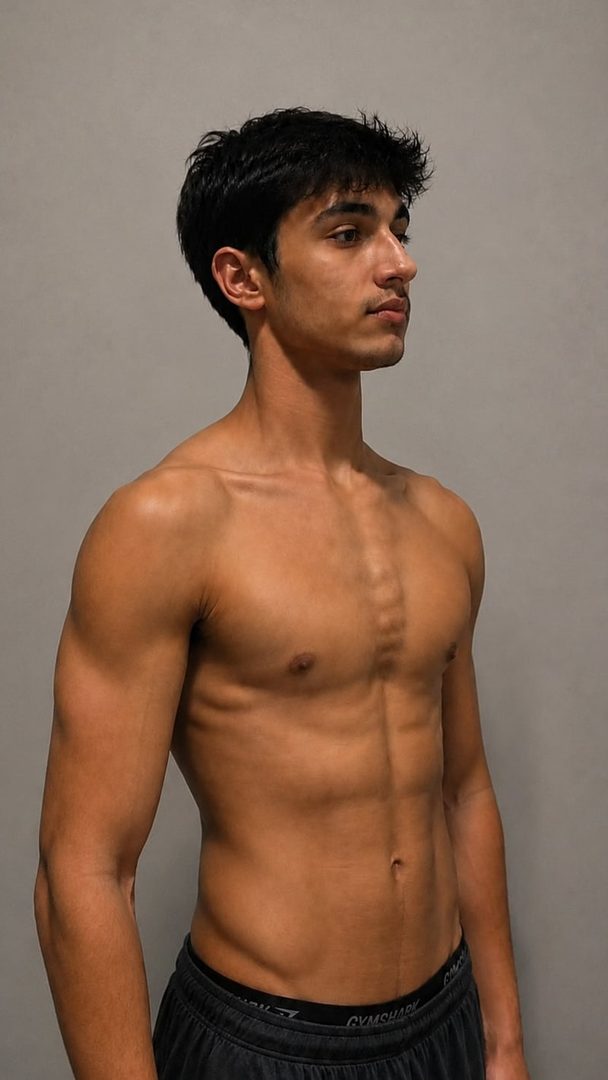 After
After
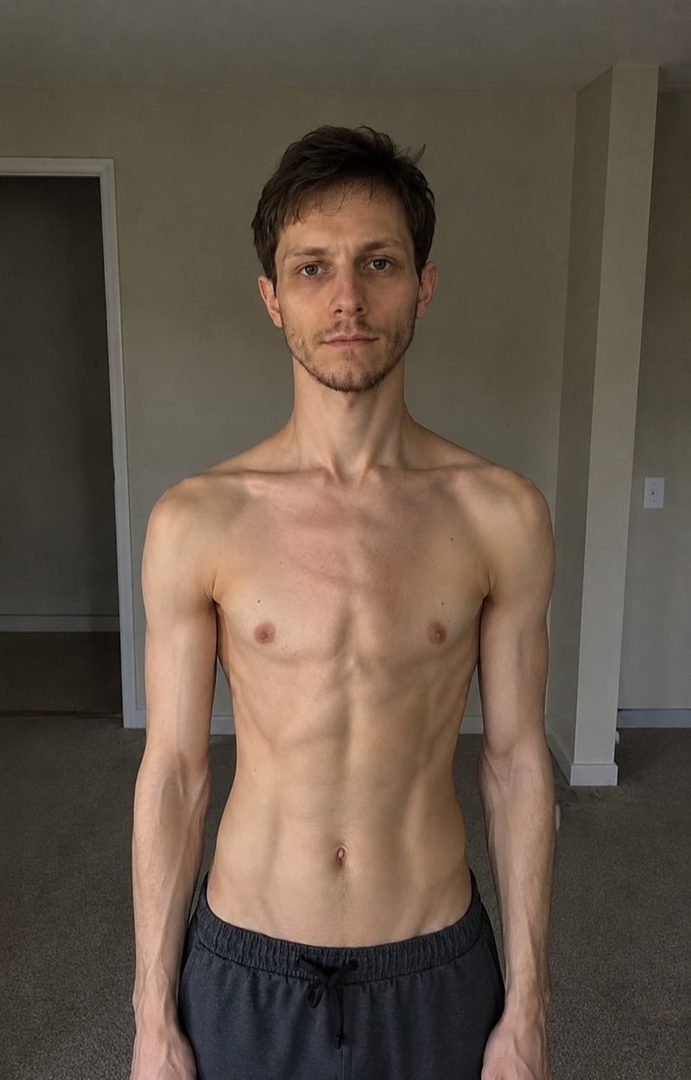
“9 kilos in 6 months. the trick nobody tells you is you build the muscle around the bump, then the bump is not the first thing people see. before this i am buying only loose shirts, maybe 8 years like this”
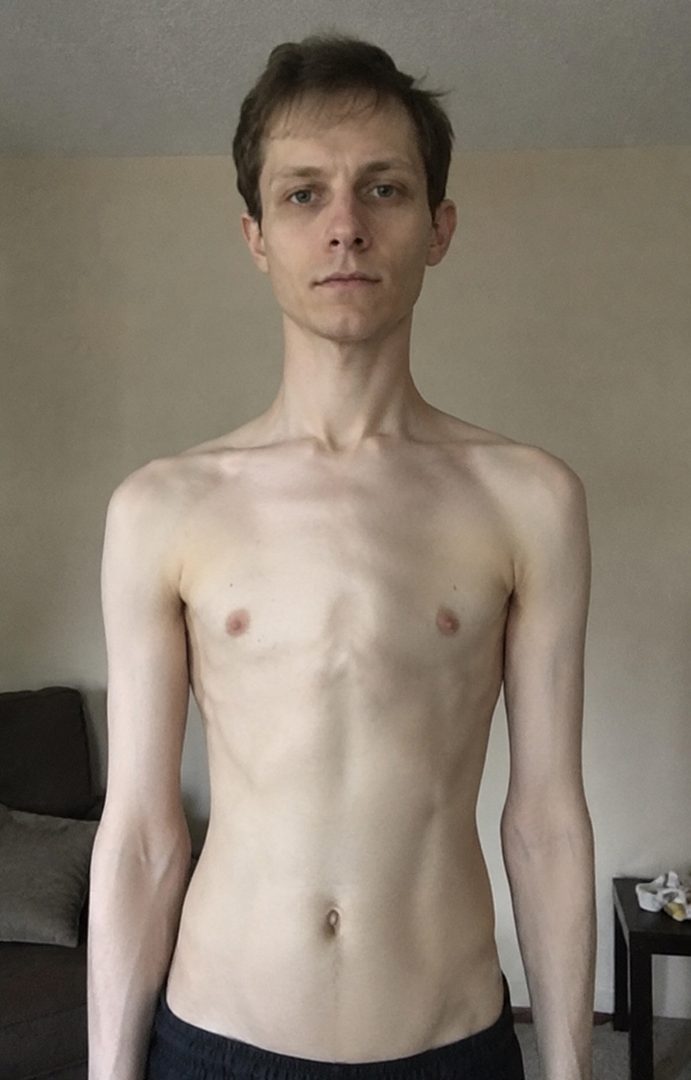 Before
 After
After
“before, the carinatum is the first thing i see in every photo of me. now i show someone and they must ask me where it is. i did not have any surgery, only the training”
PE pectus excavatum · PC pectus carinatum · RF rib flare
Drag each slider to compare.Tap any case to open and compare. Published only with the client's written consent.
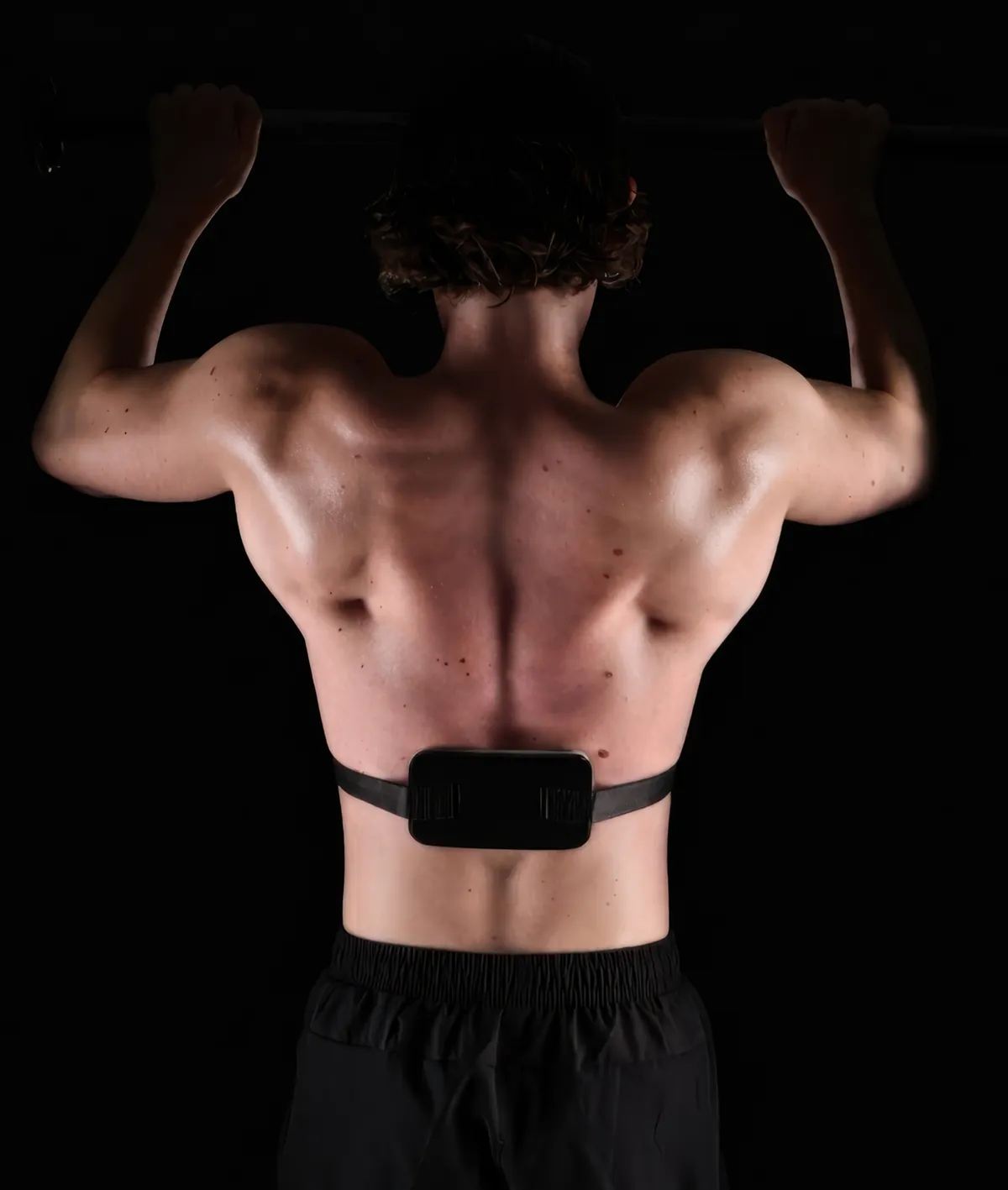
Nine connected modules.
One correction system.
From fitting to retention, each module builds on the last so your brace, body and habits finally pull together.
PC Anatomy & Severity Self-AssessmentModule 01
How the cartilaginous overgrowth develops, the three types (symmetric, asymmetric, mixed), and how to self-classify and measure your protrusion accurately.
- 01How PC overgrowth develops
- 02The three types
- 03Self-classifying your type
- 04Measuring your protrusion
Brace Fitting, Pressure Zones & Compliance StrategyModule 02
The fitting principles that decide whether a brace corrects or just compresses, padding placement, pressure targeting, and a tightening progression that creates change without skin damage.
- 01Fitting principles
- 02Padding placement
- 03Pressure targeting
- 04Safe tightening progression
Wear Schedule ArchitectureModule 03
Not 'wear it as long as possible', the structured daily schedule, build-up plan for new wearers, and the maintenance strategy that locks in gains.
- 01The structured daily schedule
- 02Build-up for new wearers
- 03Locking in your gains
- 04The maintenance strategy
Compression-Aware Breathing & Rib ExpansionModule 04
Breathing sequences engineered to work alongside compression, diaphragm work, lateral rib expansion and intercostal mobility that compound correction.
- 01Breathing with compression
- 02Diaphragm work
- 03Lateral rib expansion
- 04Intercostal mobility
Thoracic Mobility & Postural CorrectionModule 05
The thoracic stiffness and anterior chest tightness PC creates, addressed systematically so the brace can do its job more effectively.
- 01Releasing thoracic stiffness
- 02Anterior chest tightness
- 03Systematic postural work
- 04Helping the brace work
Brace-Compatible Exercise ProgrammingModule 06
Which exercises compound brace correction, which counteract it, and the exact sequences that build supporting musculature the right way.
- 01Exercises that compound correction
- 02Movements to avoid
- 03Building supporting muscle
- 04The correct sequencing
Skin Care, Comfort & Problem SolvingModule 07
The skin-conditioning progression, padding adjustment plan and troubleshooting system for pressure sores, rib discomfort and shoulder impingement.
- 01Skin-conditioning progression
- 02Padding adjustments
- 03Preventing pressure sores
- 04Solving discomfort & impingement
Measurement, Photo Documentation & MilestonesModule 08
How to measure protrusion accurately with calipers and photos, plus milestone checkpoints at weeks 4, 8, 16 and 24 that tell you if your pressure is calibrated right.
- 01Caliper measurement
- 02Photo documentation
- 03Checkpoints: weeks 4, 8, 16, 24
- 04Is your pressure calibrated?
Retention Phase & Long-Term MaintenanceModule 09
The retention plan that maintains structural change, when to reduce wear hours, and how to test whether the correction is holding.
- 01The retention plan
- 02Reducing wear hours
- 03Testing if it holds
- 04Long-term maintenance
Short lessons.
One thing to do after each.
Nothing here is a lecture. Every lesson takes one mechanism, shows it on a real braced chest, and hands you the adjustment and the cue to check it against.
One idea per lesson
No forty-minute talks. Each lesson takes a single mechanism and shows why it matters for your bump specifically.
Filmed on a real braced chest
Fitting, padding and pressure adjustments are shown on a carinatum chest in a brace, so you can see what correct looks like on anatomy like yours.
The adjustment, and the cue to check it
You finish each lesson with one change to make and one cue to check yourself against, so you know the pressure is where it should be.
The number you write down
Hours worn, pressure setting, or a photo. The next lesson starts from what you logged, not from where you hoped you were.
Read it on your phone while the brace is on. Everything is written as well as filmed, so you can skim a lesson once you already know it.
What the first
30 days look like.
You fit, measure and build a schedule you can actually keep, so compliance is solved before motivation runs out.
Pre-order the courseSelf-classify your protrusion, take baseline measurements and photos, and dial in your brace fit and pressure zones.
Ease into a structured daily schedule with the build-up plan, hours that stick, skin that holds, no guilt spiral.
Layer in compression-aware breathing and brace-compatible training so everything compounds instead of competing.
Re-measure against baseline, confirm your pressure is calibrated correctly, and progress the plan with confidence.
Everything you need
to make the brace work.
The full contents,
nothing held back.
- Start
- Part 1Start here01
- 01How to use this program
- Part 2Understand02–03
- 02What pectus carinatum is
- 03Anatomy & the strategy
- Part 3The science04–07
- 04Flexibility & the chest wall
- 05How muscle grows
- 06Why full-body, 3×/week
- 07The Flatten & Frame strategy
- Part 4The framework08
- 08The Carinatum Priority Pyramid
- Part 5Do it09–12
- 09Self-assessment
- 10The core plan
- 11The 16-week program
- 12Posture & breathing
- Part 6Go further13–15
- 13What to expect, month by month
- 14Common mistakes & troubleshooting
- 15Where bracing fits
- Part 7Reference16–19
- 16Exercise library
- 17FAQ
- 18References
- 19Photo shot list
- Finish
Plus the full exercise library, the complete reference list and the photo shot-list, and buyers get 15% off a custom compression brace.
Four things you'll be able to do
that you can't do today.
Not feelings. Capabilities, each one with a way to check whether you actually have it.
Fit and pad your own brace
Pressure on the bump instead of the ribs, padding where the contact points actually sit, and a tightening progression that creates change without wrecking your skin.
Check yourselfYou can point to your two pressure zones and say why the padding sits where it does.
Build a wear schedule you keep
Structured hours by phase, a build-up plan if the brace is new, and a way back in after a bad week that does not involve guilt.
Check yourselfYou know this week's target hours, and what happens if you miss a day.
Breathe and train with the compression, not against it
The drills that expand the ribs laterally under a brace, and the lifts that build the frame around the bump instead of pushing it forward.
Check yourselfYou can name one exercise you dropped, and what you put in its place.
Tell whether your pressure is calibrated
Caliper and photo checkpoints at weeks 4, 8, 16 and 24 that separate a stall caused by too little pressure from one caused by too few hours.
Check yourselfYou can look at a flat month and say which of the two it was.
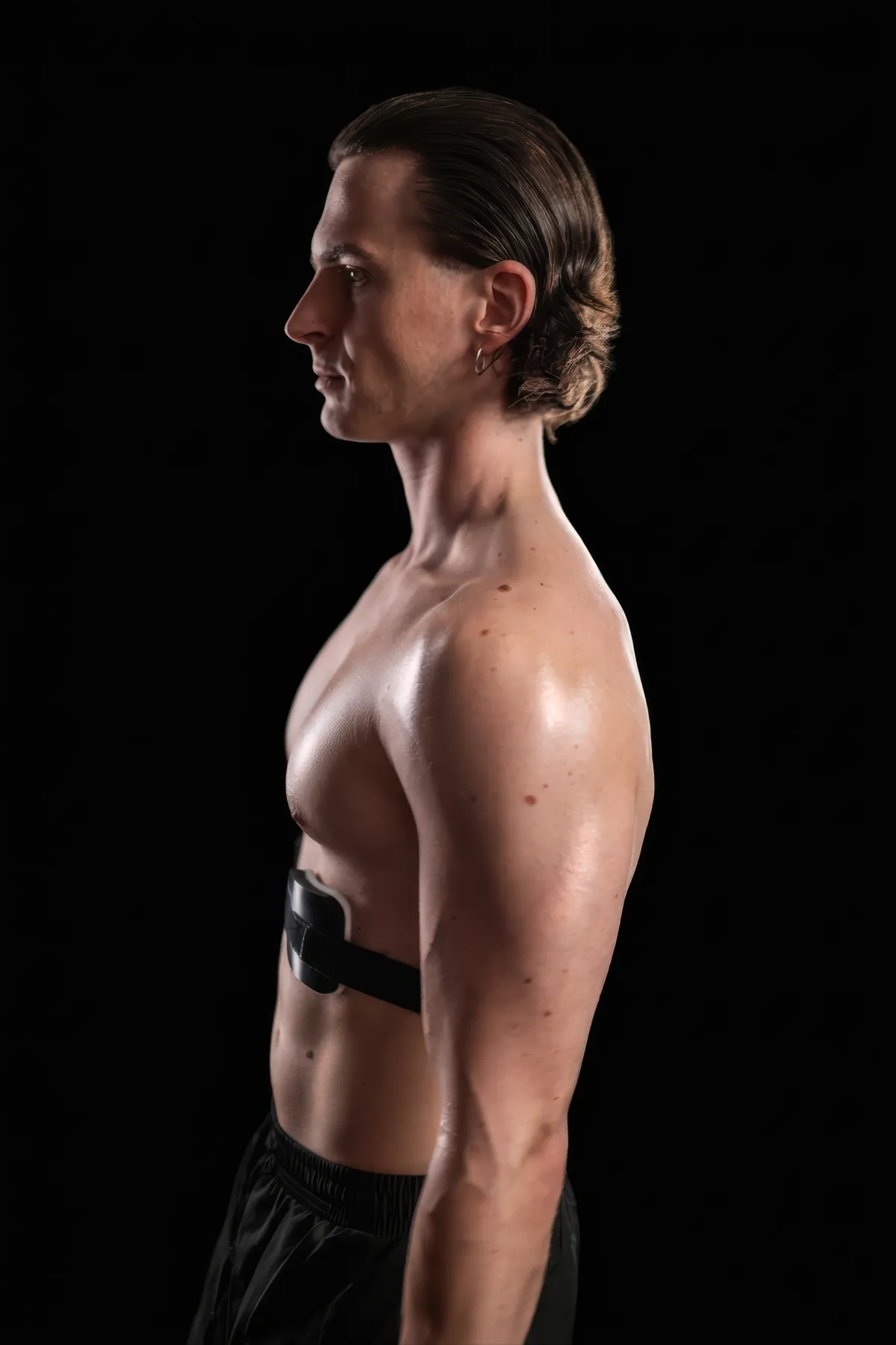
I had it. I fixed it.
Now I help you do the same.
I'm not writing this as a doctor looking at a scan. I had the sunken chest, the flared ribs, the shirt that stayed on at the pool, and nobody could tell me what actually works.
Years of consistent, non-surgical training made mine unnoticeable. Everything on this page exists because I needed it to exist ten years ago.
I tested all of it on my own body first, then refined it every time someone hit a wall I had not planned for.
Featured in Healthline · Level 5 DUKE Institute Certified Personal Trainer (ISSA) · Specialised in pectus excavatum, carinatum and rib flare.

Medical reviewer
Prof. Dr. Mustafa Yüksel, MD is the medical reviewer for the mrpectus correction plans. He checks the clinical claims they make.
Thoracic surgeon, founder of the Chest Wall International Group
What each path
actually costs.
Not in dollars. In time. Side by side, honestly.
Worth your money,
or worth skipping?
No surprises between
you and starting.
No waiting on a reply, no onboarding call, nothing to install.
One payment.
Then it's yours.
The complete plan, written by someone who wore the brace himself. Pay once, keep it for life, and get every update I make to it.
Try the whole thing for 30 days. Use it, and if it isn't what was described, message me for a full refund, no questions asked. The risk stays with me, not you.
Common questions.
Do I need a specific type of brace?+
The plan applies to any anterior compression brace, custom orthotist-fitted or off-the-shelf. The fitting and pressure-zone principles in Module 02 are device-agnostic. If you don’t have a brace yet, the course covers how to evaluate your options.
How many hours a day do I actually need to wear it?+
Consistent hours in the right pressure range beat maximum hours at the wrong setting. The wear schedule is structured around 8–16 hours depending on phase, not the impractical 'as long as possible' advice you've probably already heard.
I’ve worn a brace for months with no visible change, why?+
Usually it comes down to pressure calibration (too little), wear schedule (too inconsistent), or posture compensation masking real movement. Module 08’s measurement system tells you exactly which one is your issue.
Can I use this alongside seeing a physio?+
Yes, it complements physio well. The course gives you the self-directed plan; physio adds hands-on assessment. The measurement system gives them concrete data to work from.
How do I know if my case is too severe for bracing?+
Very severe adult cases with significant cartilage calcification may respond less to compression. The severity self-assessment in Module 01 helps you understand where you are and whether bracing is your primary path or a supplement.
How fast will I see the bump change?+
With consistent hours in the right pressure range, most people see the first visible flattening within 2–4 months, teens often faster, adults slower. The measurement method picks up change in the numbers before your eyes believe it in the mirror.
Will this work for me as an adult?+
Adult cartilage is stiffer, so correction takes longer and severe calcified cases respond less, the course is honest about that. But adults do improve with consistent bracing plus the training and posture work, and the assessment module maps a realistic timeline for your age.
Is this just about the brace, or is there training too?+
Both. Bracing does the structural work; the training and breathing modules reshape the frame around it (chest, posture, ribcage mechanics) so the corrected shape is supported by muscle, not just held by compression.
How much time does it take each day, besides brace wear?+
Around 20–30 minutes of active work most days, breathing, mobility and training. Brace wear itself happens passively while you live your life; the course structures the hours so they cost you as little as possible.
My carinatum is asymmetric, one side sticks out more. Does the plan handle that?+
Yes. Asymmetric presentations are common, and the assessment module identifies your pattern so the pressure placement and exercise emphasis adapt to it instead of treating your chest as symmetrical when it isn’t.
When do I actually get it?+
On 31 Dec 2026. I'm still filming, and you're pre-ordering — that's why it's $197 instead of $297. On the day it's finished, the link lands in your inbox automatically. If the date ever moves I'll email you before it does, and you can take a refund instead of waiting. Lifetime access and free updates once it's yours.
What if it’s not for me?+
Work through the modules first. If the course isn't what I said it was, email me any time in the first 30 days and I'll refund the lot.
Three honest ways forward.
Take the free 1-minute assessment and get a straight answer for your condition and severity.
Take the assessment →The chat bubble in the corner reaches me directly, ask anything about your case before you decide.
Try the whole thing. If it isn't right for your chest, every dollar comes back.
Start risk-free →Make the brace
finally pay off.
Stop white-knuckling the hours and hoping. Turn the compression you are already under into measurable, lasting correction, for less than one orthotist visit.
Pre-order the course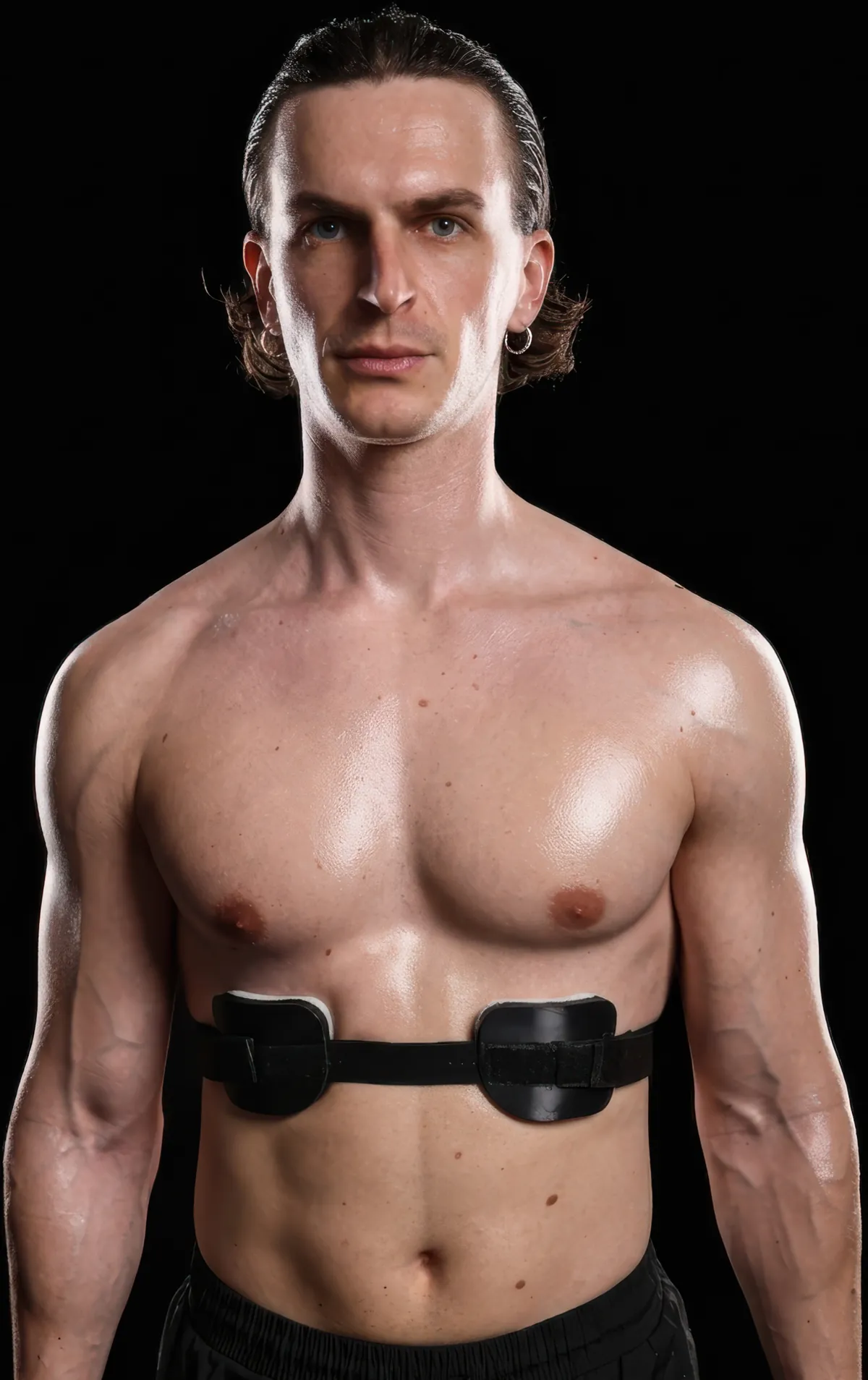
P.S. If you've read this far, part of you has already decided. The only thing you can lose by trying is the version of next year where nothing changed. - Mihail