Contents · 9 sections
Ask around about a pectus carinatum brace and the advice contradicts itself. One Canadian protocol asks for 23 hours a day until the bump is flat. Another, in Ottawa, used 8 to 12. Prices are just as far apart: $353.01 for a prefabricated brace online, $4,853 at one US children’s hospital in a price list valid through June 2024.
In 241 Montreal children, a cheap prefabricated brace tightened by the family was compared with a custom system adjusted by pressure readings. Success was 93% and 89%, with the same months of active bracing, and most failures came from not wearing the brace. So the decision rests mostly on how flexible your chest is, how much growing you have left, and how many hours you will really wear it with someone checking progress. The brand comes after that, and the checklist below applies to any brace.
A note on me. I had pectus excavatum, the sunken kind, not carinatum. I was diagnosed at 15 and corrected it without surgery over about three years. The change was visible and measurable, but not complete. I’m not a doctor. I also sell a carinatum brace, so it sits in the cost table and gets judged on the same checklist as the rest.
How a pectus carinatum brace works
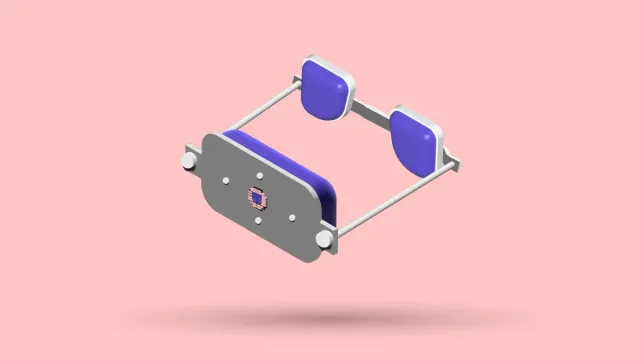
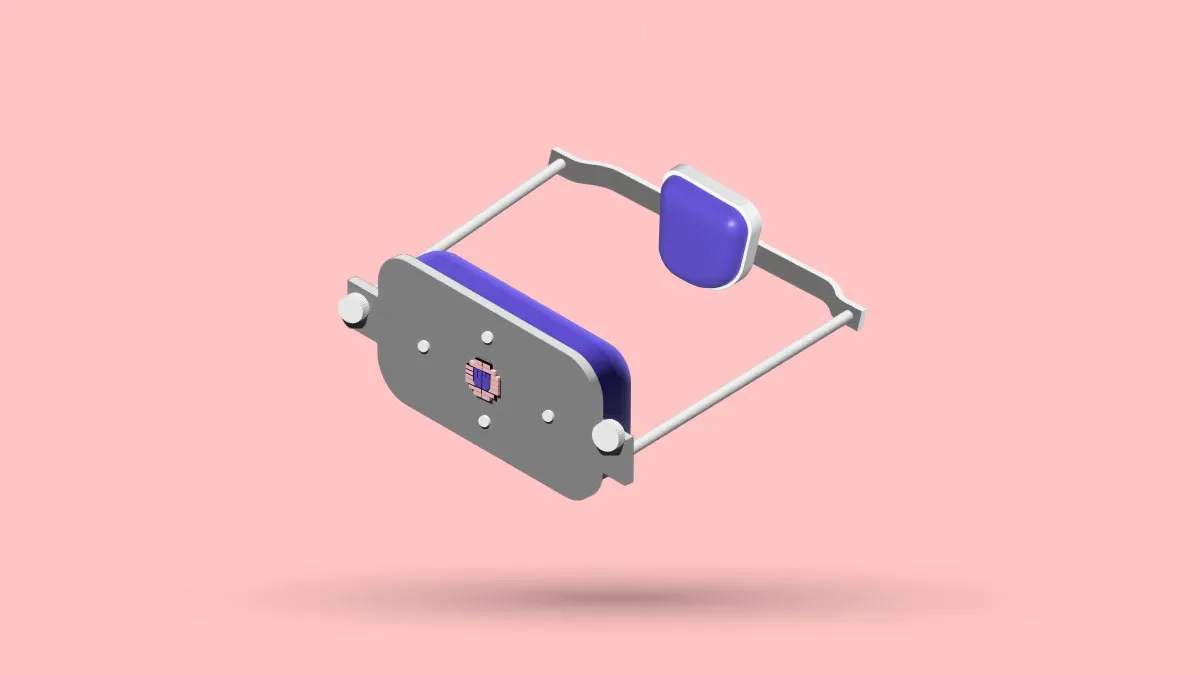
A carinatum brace is a frame around your chest. A pad sits on the high point of the bump, a support sits on your back, and straps, buckles or a dial change how hard the pad presses. Designs differ: aluminium bars with ratcheting buckles, metal bars with foam pads, and at least one design with no metal at all.
The idea is steady pressure on cartilage that still gives, held for months until the bump flattens. You’ll see this called dynamic compression, because the pressure is adjusted as the chest changes.
Some systems measure that pressure. The FMF Dynamic Compression System, used in many studies below, reads it in psi (pounds per square inch). The number that matters is the pressure of initial correction, or PIC: how much pressure it takes to push your bump flat at the first visit. A low PIC means a flexible chest. A high one, in several cohorts, meant longer treatment and lower odds of success. The rough home version is the press test: a good sign if the bump moves back under your hand, but not a measurement.
The 2024 Pectus Care Guidelines, a European consensus, give bracing their highest class of recommendation, calling it “a highly effective and safe conservative treatment” for significant carinatum. They advise seeing a specialist clinic early, with a professional supervising wear time, and recommend no particular device.
Who a brace suits, and who should be assessed first
A review of eight studies covering 1,185 patients named age, PIC and motivation as what matters when choosing who to brace.
Flexibility: each centre draws its own line
- Argentina (208 patients aged 3 to 18): starting below 2.5 psi avoided skin lesions, and chests needing more than 7.5 psi “should not be treated with this method.”
- Amsterdam braced chests at 10 psi or less (286 patients). In its 10-year data on 631 braced patients, success fell from 84.2% to 67.3% as PIC rose, and above about 8.0 to 8.5 psi the authors suggest considering surgery.
- A 740-patient study: a PIC of 7.6 psi or more added 3.5 months of bracing compared with 5.0 psi or less.
A stiff chest isn’t ruled out. It’s a slower, less certain case, and the one most worth getting measured.
Growth stage: the evidence disagrees
The Amsterdam 10-year study concluded that bracing before the growth spurt should be discouraged. Yet a Chinese series of 208 children under 6 reported success in 86.3% and 89.8% of its two wear groups. In Calgary, patients who started before Tanner stage IV (late puberty) corrected in 4.2 months on average, against 8.0 months for later starters. The guideline says bracing works less well the older you start.
Centres that name an age point to the teens. The University of Rochester’s chest wall centre puts the best age at 12 to 15, Braceworks says the early teenage years, and in Norway treatment usually starts at 14 to 16. Bracing a young child is a specialist’s call.
Chests that do less well
- Marfan and Poland syndrome were unfavourable in the Amsterdam 10-year cohort.
- Asymmetric chests were more likely to abandon bracing in the 740-patient study. If yours is one-sided, asymmetrical pectus carinatum covers that shape.
- The upper type (a bump just under the collarbones): in an 11-patient series, half reached the maintenance stage and all improved at least partly. One UK clinic lists it as less suitable for bracing alone.
Adults
Adult data is thin. The largest figures come from Brazilian orthopaedist Sydney Haje’s 32-year series of brace plus exercise, which counted carinatum and excavatum together: good results in 60.6% of 1,632 children and teenagers, against 27% of 85 adults. Braceworks calls adult bracing a subject for further research. The cohorts that report sex were also 87% to 94% male, so the numbers say less about women.
How many hours a day, and for how long
There is no agreed number. A 2026 review found no standard bracing protocol, and published ones range widely:
| Protocol | Early phase | Later phase |
|---|---|---|
| Calgary, Canada | 23 hours a day until corrected | 8 hours at night until growth ends |
| Ottawa, Canada | 8 to 12 hours a day | |
| KidsHealth (US parent guide) | 12 hours a day or longer, most kids for 6 to 12 months | |
| Pectus Clinic, UK (intensive programme) | 22 to 23 hours a day in weeks 1 to 8 | Down to night only, about 8 hours, by weeks 26 to 34, finished at week 52 |
The case for more hours. The guideline’s evidence summary found 24-hour wear the most effective protocol, and low wear times that slowly increased the least effective. In a German series of 69 patients aged 4 to 17, teenagers who rated their result “excellent” had worn the brace 18.4 hours a day on average, and those who said “unchanged” 8.7.
The case for fewer. The Ottawa team pooled their patients with 15 earlier studies. Protocols under 12 hours a day had 85.3% success against 83.5% for 12 hours or more, with better compliance (89.6% against 81.1%). The Chinese under-6 series found much the same.
Where they agree: the hours that count are the ones you actually wear. In Montreal, 17 of 24 failures came from not wearing the brace. In a questionnaire study of 86 patients, early success kept people wearing it, while pain, skin problems and embarrassment worked against it. Agree a schedule with your clinician that you can keep, then keep it.
Training works on the frame around the bump, not the bump: Haje’s group, who paired the brace with exercise, wrote that exercise alone doesn’t correct the deformity. Pectus carinatum exercises covers that side.
How long it takes
The correction phase, when the bump is pushed flat, usually took about 4 to 8 months in these series. Then comes the maintenance phase, usually night wear, until growth ends. Braceworks stops when two height measurements six months apart match, and puts the whole programme at 2 to 4 years. Taper off gradually: Calgary’s one recurrence came after a patient stopped maintenance early, and six more months of wear fixed it.
Results and recurrence: what the numbers count
Success rates in bracing papers run from under half to 90%. Most of that spread is definitions: who was counted, and what counted as success.
| Who | What counted | Result |
|---|---|---|
| Montreal, 2011 to 2021, children | Success among 241 who could be assessed (373 started) | 90% (217 of 241) |
| Amsterdam, 10 years | Success among 553 who finished (631 braced) | 73.8% |
| Kansas City | Complete correction after a mean 7.5 months, among 217 | 47% (103 of 217) |
| Review of 8 studies, 1,185 patients | Status at a mean 16 months of follow-up | 29% finished successfully, 44% still in treatment |
| Boston survey, 11% response rate | Self-reported improvement among 49 braced respondents | 71.4% |
Figures counted among people who finished look high. Figures across everyone who started look lower, because people drop out or vanish from follow-up.
Recurrence, the bump coming back, has the same problem:
- 2.6% overall in the 1,185-patient review, where most patients hadn’t finished yet.
- 5.0% (6 of 119) in a Korean series. Four of the six had stopped early against advice, and all six re-corrected within 3 months of wearing it again.
- 11.3% in a French series of 297 patients.
- 23% of 42 Boston survey respondents said the bump came back after stopping.
None of these is “the” recurrence rate. Each group was measured a different way.
Norway’s 2023 health technology assessment found the studies were all uncontrolled, so firm conclusions about the effect weren’t possible. It found no serious adverse events, and clinicians there judged bracing effective and lower-risk than surgery. Read each number above as one centre’s observational result, not a promise.
Side effects and how to keep them small
Discomfort at the start is common: every patient in the Korean series of 119 had some. Skin problems depend on how they were defined:
- rash in 70.6% and discolouration in 15.1% of that Korean group, who wore the brace 24 hours a day; both cleared within months of stopping
- skin lesions in 5.1% across the 1,185-patient review
- skin lesions in 1% of 286 braced patients in Amsterdam
Pressure is the lever you control. In Argentina, starting below 2.5 psi avoided skin lesions, and the guideline warns that too much pressure on the skin causes complications. A chest can also go past flat: Haje’s group reported 17 patients, 15 with carinatum, whose chests overcorrected, managed by cutting hours, easing pressure or changing the brace. They stressed careful follow-up.
Braces usually come off for contact sport and swimming, sleeping face down can be uncomfortable during correction, and a loose shirt usually hides one. Take it off and get checked if you have pain, broken skin or breathlessness.
Cost, and how to choose a brace
Prices run from a few hundred dollars for a brace on its own to several thousand for a clinic package with reviews, and many insurers treat carinatum treatment as cosmetic. I keep the full price table, checked on each seller’s own page, the insurance details and a checklist for judging any brace, mine included, in my pectus carinatum brace buyer’s guide.
The short version: the strongest comparison I found is a Montreal study of 241 children, where a prefabricated brace and a pressure-guided custom brace had similar success (93% and 89%, not a significant difference). It points to the chest and the wear mattering more than the brace. If you also have a rib flare, a carinatum brace isn’t built for it: see rib flare braces.
When surgery comes into it
Surgery is usually considered for a rigid or high-PIC chest, with Marfan or Poland syndrome, or when bracing has failed or been abandoned. Norway’s assessment keeps it for patients unsuitable for bracing.
The trade-off shows in the Amsterdam 10-year data. Of 105 patients who had the Ravitch operation, which removes the overgrown cartilage, 92.4% had a successful result, 32.4% had complications and 6.7% needed further surgery. Bracing success there was 73.8%. The groups weren’t like for like, since Amsterdam operated on chests above its pressure cut-off, but surgery corrected more often and carried more complications.
Choosing surgery isn’t a failure. I couldn’t find a verified price for carinatum surgery, but my guide to surgery costs and insurer rules covers what is known.

Get assessed first
Clinic bracing comes with a prescription and follow-up visits. Braceworks won’t supply a brace without a prescription. If you buy directly, from me or anyone else, get your chest assessed by a doctor first, ideally at a specialist clinic. My guide to chest wall specialists, written mainly for excavatum, shows how to check a centre.
See a doctor before bracing if you have:
- a heart or lung condition, or difficulty breathing
- chest pain
- previous chest wall surgery, or chest, heart or breast surgery in the last six months
- Marfan syndrome, Ehlers-Danlos syndrome or another connective tissue condition
- broken, infected or inflamed skin over the chest
- osteoporosis
- symptoms nobody has looked into yet
Carinatum is rarely a heart or lung problem. Aetna’s policy calls a functional deficit from it extremely uncommon. So new breathlessness or palpitations need a check, not a brace.
Ask any clinic: What’s my PIC? Which brace, and why? How many hours, and when do we taper? How often will you see me? What does the whole programme cost?
If you’re still working out whether bracing fits you, the free 1-minute quiz points you to a next step, and my pectus carinatum options page lays out every route.
Sources
- Emil S, et al. Eur J Pediatr Surg. 2026;36(5):378-84. Read it
- Wahba G, et al. J Pediatr Surg. 2017;52(11):1795-9. Read it
- Lee RT, et al. J Pediatr Surg. 2013;48(1):184-90. Read it
- Kravarusic D, et al. J Pediatr Surg. 2006;41(5):923-6. Read it
- Martinez-Ferro M, et al. Semin Pediatr Surg. 2008;17(3):194-200. Read it
- Dunning J, et al. The Pectus Care Guidelines. Eur J Cardiothorac Surg. 2024;66(1):ezae166. Read it
- de Beer SA, et al. Semin Pediatr Surg. 2018;27(3):175-82. Read it
- de Beer SA, et al. Ann Thorac Surg. 2017;103(6):1742-9. Read it
- van Braak H, et al. Ann Thorac Surg. 2024;117(1):144-50. Read it
- de Beer S, et al. J Pediatr Surg. 2023;58(8):1440-5. Read it
- Hong SM, et al. Pediatr Surg Int. 2026;42(1):193. Read it
- Korsettbehandling ved pectus carinatum: forenklet metodevurdering (Brace treatment for pectus carinatum: a rapid health technology assessment). Norwegian Institute of Public Health. 2023 [cited 2026 Oct 20]. Read it
- Cruz-Centeno N, et al. Am Surg. 2026;92(6):1853-7. Read it
- Haje SA, Haje DP. Rev Bras Ortop. 2009;44(3):191-8. Read it
- AlGhamdi ZM. Saudi J Med Med Sci. 2026;14(3):217-22. Read it
- Pectus carinatum: bracing. Nemours KidsHealth. Reviewed 2023 May [cited 2026 Oct 20]. Read it
- Loff S, et al. Eur J Pediatr Surg. 2015;25(5):421-4. Read it
- Kang DY, et al. Interact Cardiovasc Thorac Surg. 2014;19(6):900-3. Read it
- Poola AS, et al. Eur J Pediatr Surg. 2018;28(1):12-7. Read it
- McArthur M, et al. J Surg Res. 2026;326:183-8. Read it
- Lee SY, et al. Eur J Cardiothorac Surg. 2008;34(1):146-9. Read it
- Kieffer De Marco L, et al. Eur J Cardiothorac Surg. 2026;68(1):ezaf444. Read it
- Haje SA, Haje DP. Int Orthop. 2006;30(4):262-7. Read it
- Pectus carinatum. Center for Chest Wall Reconstruction, Golisano Children’s Hospital, University of Rochester Medical Center. [cited 2026 Oct 20]. Read it
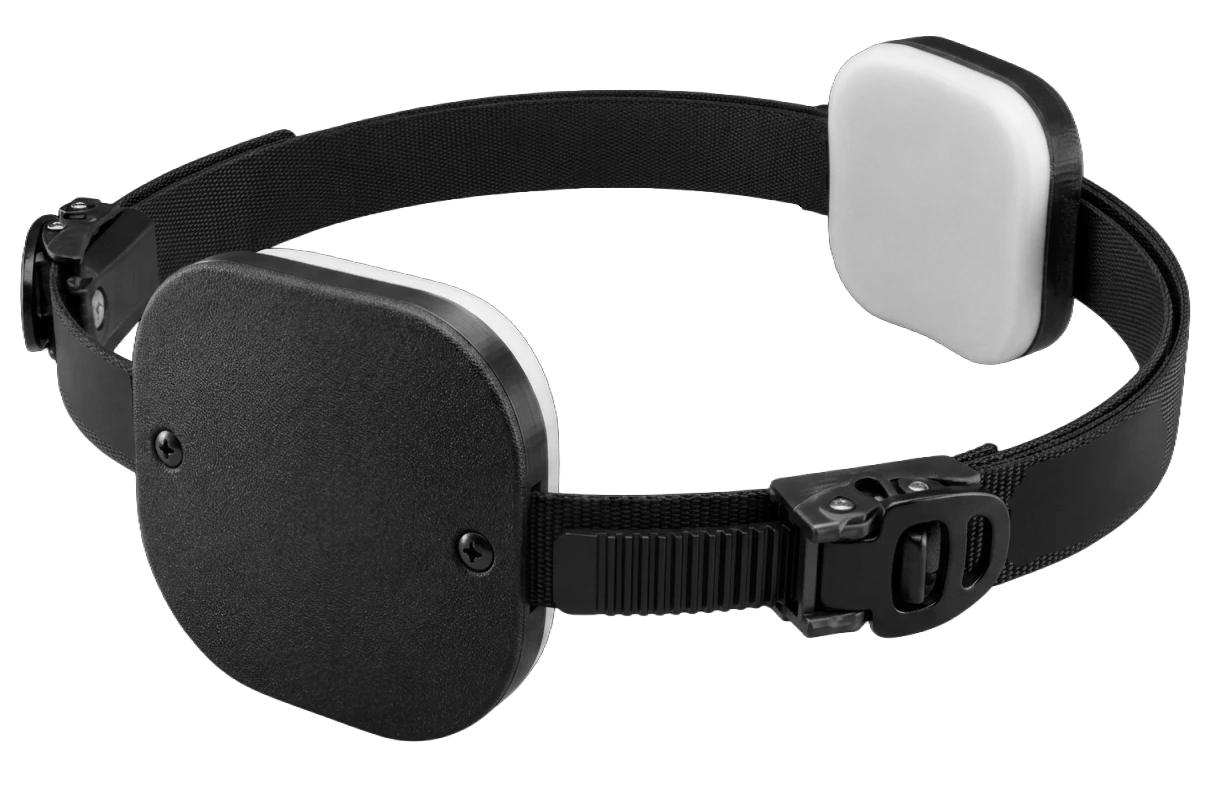
The brace fitted to your measurements, with a pressure check and a weaning schedule, so it gets worn instead of left in a drawer.
- Fitted to your measurements
- Pressure calibration and weaning schedule
- The exercise pairing that holds the change

This article is for educational purposes only and does not constitute medical advice. Always consult a qualified healthcare professional before starting any treatment plan. View full disclaimer →