Contents · 10 sections
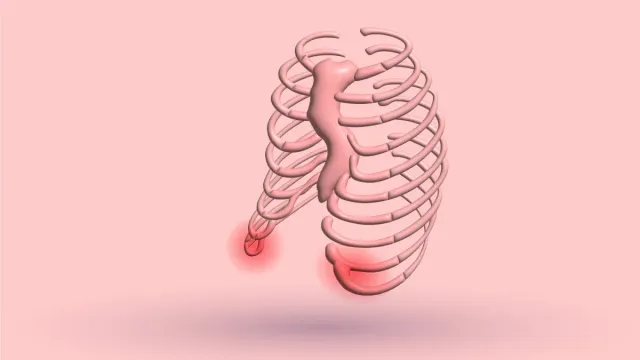
These are the rib flare exercises I used to bring my own ribs down, in the order I would do them again. I have kept it to ten, because a flare does not need forty exercises. It needs a few, done properly, every day.
If you are not sure yet whether you have rib flare, or which kind, start with my full guide to flared ribs. It has the two checks that sort it out in a minute, and the explanation of why these exercises work. This page is the exercise library.
How these exercises work
Every exercise below does one of three jobs:
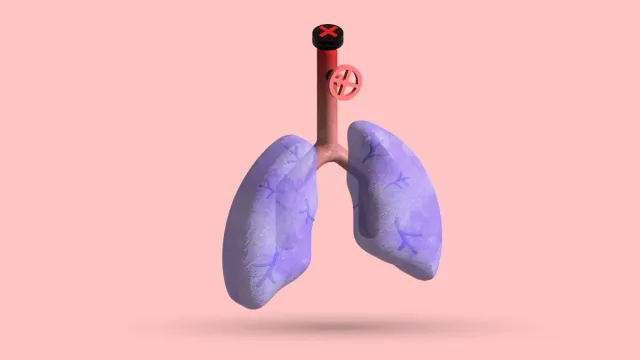
- Get the ribs down. A long, full exhale pulls the lower ribs down and in. Most flares are a ribcage parked in the breathed-in position.
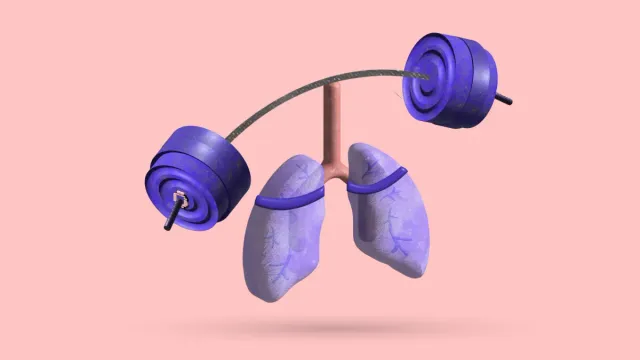
- Keep them down under load. Anti-extension core work teaches your abs to hold the ribs and pelvis stacked while you breathe and move.
- Free what is holding them open. Tight lats and chest muscles pull the ribcage up. Stretching them makes the first two jobs possible.
There is a mechanism behind this. Part of your diaphragm lies flat against the inside of your lower ribs, an area called the zone of apposition. When the ribs sit down, the diaphragm pulls them in each time you breathe. When they sit up, it loses that grip.
To be straight about the evidence: there are essentially no controlled trials of exercise for rib flare. This is reasoning from mechanism plus what worked for me, not trial results.
Before you start
- Do them on an empty-ish stomach. Deep exhales on a full one are unpleasant.
- Breathe out through pursed lips, as if blowing out candles, unless an exercise says otherwise.
- Stop if anything hurts sharply. Effort and an odd, breathless feeling are normal. Pain in the ribs themselves is not.
- Take a photo first, from the side and the front, at the end of a full exhale. You will want it in eight weeks.
Part 1: breathing drills
Start here, even if they feel too easy. If you cannot get your ribs down lying on the floor, you will not keep them down holding a weight.
1. 90/90 breathing
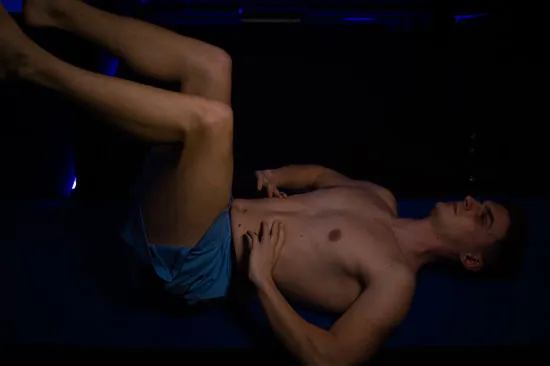
Lie on your back with your hips and knees bent to 90 degrees, either with your feet on a wall or held in the air. Put your hands on your lower ribs.
Breathe out slowly and fully through your mouth. Keep going past the point where you would normally stop. Near the end, your abs switch on by themselves and you feel the ribs under your hands drop toward your hips.
Hold that position and breathe in through your nose without letting the ribs rise. It will feel like you cannot get enough air. You can.
Dose: 5 breaths, rest, 3 to 5 rounds. Daily.
2. Child’s pose breathing
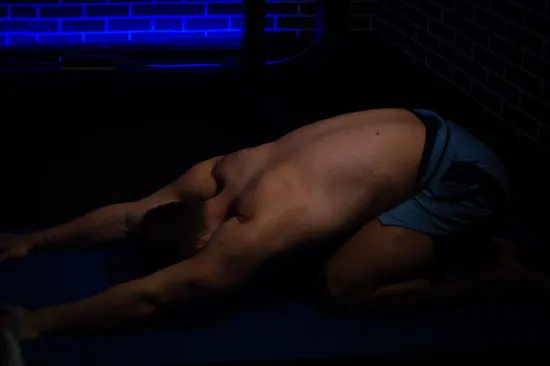
Kneel, sit back onto your heels and stretch your arms forward along the floor. Let your chest rest on your thighs.
In this position the front of your ribcage is blocked, so every breath in has to go into your back. That is the exact skill a flared ribcage is missing. Breathe out fully, then breathe in and feel your back widen.
Dose: 8 slow breaths, 2 to 3 rounds.
3. Wall reach with a full exhale

Stand facing a wall, a little more than arm’s length away. Lean in and put your hands on the wall above your head, so your back rounds slightly.
Breathe out fully and let your upper back push away from the wall. Breathe in through your nose into your back, without letting your lower ribs drop toward the wall.
This is the bridge between floor work and standing. It teaches the ribs-down position with your arms overhead, which is where most flares give themselves away.
Dose: 5 breaths, 3 rounds.
Part 2: core work that holds the ribs down
This is anti-extension work: the job of your abs is to stop your lower back arching and your ribs lifting while something else moves. That is a different quality from the one crunches train.
4. Dead bug
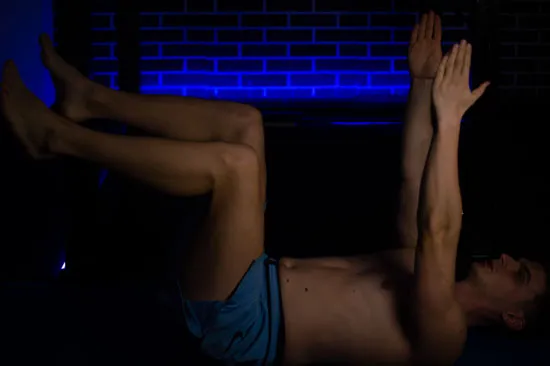
Lie on your back, arms straight up, hips and knees at 90 degrees. Breathe out and bring your ribs down, the same as in the 90/90 drill. Your lower back should be in contact with the floor.
Slowly lower one arm behind your head and the opposite leg toward the floor. Go only as far as you can without your back lifting or your ribs popping up. Return and switch sides.
If your back arches, you have gone too far. Shorten the range. The range grows as you get stronger.
Dose: 6 to 8 per side, 3 sets.
5. Plank with a posterior pelvic tilt
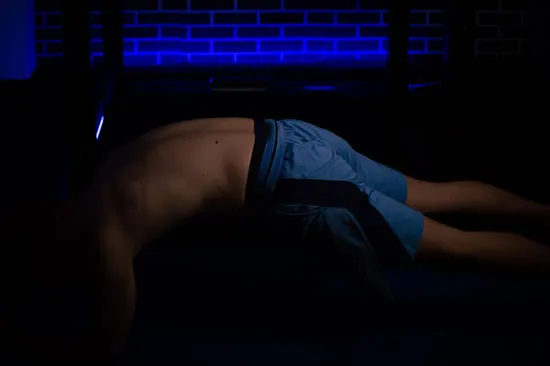
A normal plank lets most people hang on their lower back with their ribs flared. This version fixes that.
Get into a forearm plank. Tuck your tailbone under, as if bringing your belt buckle toward your chin, and squeeze your glutes. Then breathe out and pull your ribs toward your hips. The plank gets much harder. That is the point.
Dose: 3 to 5 full breaths per set, 3 sets. Short and hard beats long and sloppy.
6. Side plank with a reach
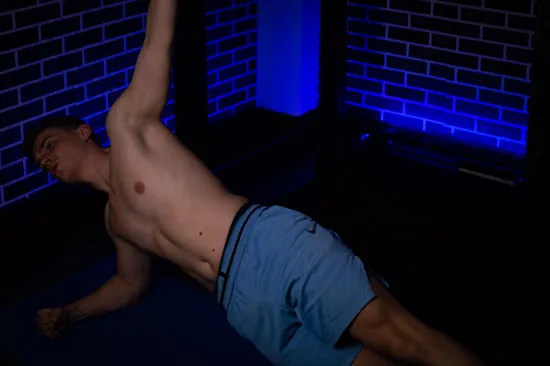
Side planks train the obliques, which run diagonally across the lower ribs and are among the muscles that hold the ribs down.
Hold a side plank on your forearm or hand. Reach your top arm overhead and breathe out fully without letting the ribs on that side flare forward. A one-sided flare, which is common, usually shows up clearly here.
Dose: 3 breaths per side, 3 sets. Do an extra set on the side that flares more.
7. Overhead reach with ribs down

Lie on your back with your knees bent and your arms by your sides. Breathe out, ribs down. Slowly raise both arms overhead toward the floor behind you.
The moment your ribs lift or your back arches, stop. That point is your restriction. Hold just before it and breathe.
If you press, do pull-ups or lift anything overhead, this one transfers directly. A flare that “lets” your arms go up is a flare that comes back every training session.
Dose: 8 slow reps, 2 to 3 sets.
Part 3: stretches that free the ribcage
Do these at the end of a session, or on their own in the evening.
8. Doorway lat stretch
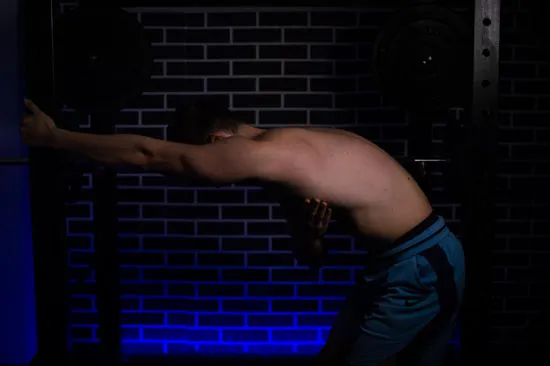
Your lats attach to your pelvis and lower back and wrap around the ribcage. When they are tight, they hold the ribs up and the back arched, and nothing you do at the front will stick.
Hold a door frame at about head height with one hand. Sit your hips back and away until you feel the stretch down the side of your back. Breathe into it.
Dose: about a minute per side.
9. Chest stretch

Tight chest muscles round the shoulders forward, which tips the ribcage and makes the flare look bigger. Put your forearm on a wall or door frame at shoulder height and turn your body away until you feel the stretch across the front of your chest.
Keep your ribs down while you do it. If you have to arch your back to feel the stretch, you are stretching your lower back instead.
Dose: about a minute per side.
10. Carry the position through the day
This is not a gym exercise, and it is the one that made the biggest difference for me.
Your ribs spend the sixteen hours you are not training in their old position. Twenty minutes of good work does not outvote that. So, during the day, when you are walking, sitting or standing in a queue, breathe out fully, let the ribs settle, and keep a light hold on your abs for as long as you can.
Set an alarm every hour if you need the reminder. It is boring. It is also the highest-return habit on this page.
A simple weekly routine
| Day | What to do | Time |
|---|---|---|
| Every day | Exercises 1 and 2, plus 10 through the day | 10 minutes |
| 3 days a week | All of Part 1, then exercises 4 to 7 | 25 minutes |
| After those sessions, or evenings | Exercises 8 and 9 | 5 minutes |
When the core work feels easy with your ribs truly down, make it harder: slow it down, hold longer at the end of each exhale, or add a light weight to the dead bug. Do not add weight before the ribs stay down without it.
Mistakes that keep the flare
- Crunches and sit-ups as the main ab work. They train the abs to shorten, not to hold a position. They do almost nothing for a flare.
- Holding the breath. Bracing hard while not breathing hides the problem. The test is whether the ribs stay down while you breathe.
- Foam rolling the lower ribs. That area is thinly covered and easy to injure. Roll the lats high, near the armpit, and leave the bottom of the ribcage alone.
- Only training, never carrying it. See exercise 10.
- Doing everything at once. Ten exercises done well beat thirty done badly.
How long it takes
It depends on which kind of flare you have.
If your ribs settle flat at the bottom of a full exhale, the flare is mostly a breathing and posture pattern. People often see a visible difference within weeks, because nothing structural has to change.
If your ribs still stick out at full exhale, there is a structural part to it. Exercise still matters, but it is slower, and a rib flare brace does the structural work while training teaches your body to hold the result. Structural change is measured in months, not weeks.
Two things predict the result more than anything else: how flexible your ribcage is when you start, and whether you hold the position outside your sessions.
Where to go from here
- Not sure what kind of flare you have? Flared ribs: what causes rib flare and how to fix it has the checks.
- Want the free phased plan? The non-surgical rib flare plan gives you the order and how to measure progress.
- Want it written week by week? The Rib Flare Program is 16 weeks of this, with gym and home versions.
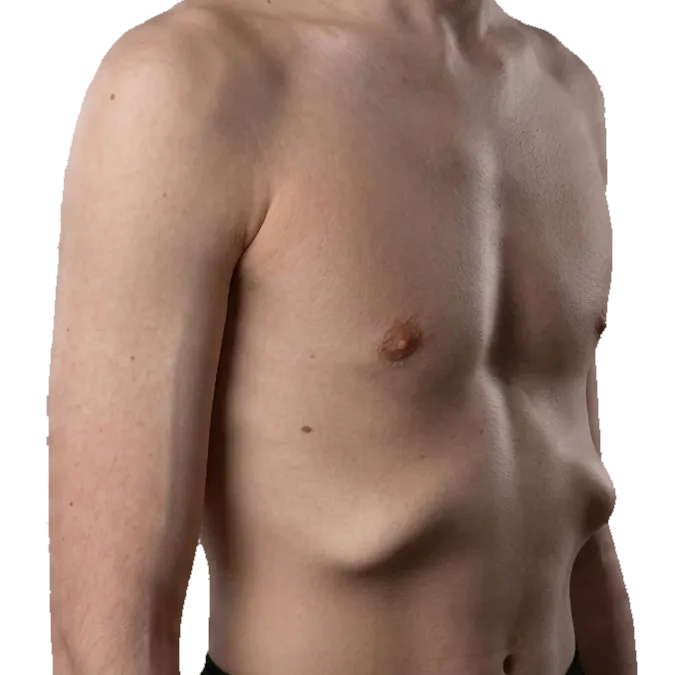
- Have pectus excavatum or carinatum as well? Start at the rib flare page, which routes you to the right combined plan.
Frequently asked questions
What is the best exercise for rib flare?
The 90/90 breathing drill. It teaches the one skill everything else depends on: getting the ribs down at the end of an exhale and breathing in without letting them rise.
Can exercise fix rib flare?
For a flare that is mostly posture and breathing, often yes. For a structural flare, exercise helps but usually needs compression alongside it, especially while the ribcage is still flexible.
How long do rib flare exercises take to work?
A postural flare can look different within weeks. A structural flare takes months. Daily practice and carrying the position through the day matter more than the length of each session.
Do planks help rib flare?
A normal plank can make it worse if you hang on your lower back. A plank with a posterior pelvic tilt and the ribs pulled down is one of the best exercises for it.
Should I do rib flare exercises every day?
The breathing drills, yes. They take ten minutes. The harder core work three days a week is enough, as long as the daily habit is there.
Can I still lift weights with rib flare?
Yes. Use the overhead reach and dead bug to learn the ribs-down position, then hold it during your lifts. If your ribs flare to let a weight go overhead, the weight is too heavy for now.
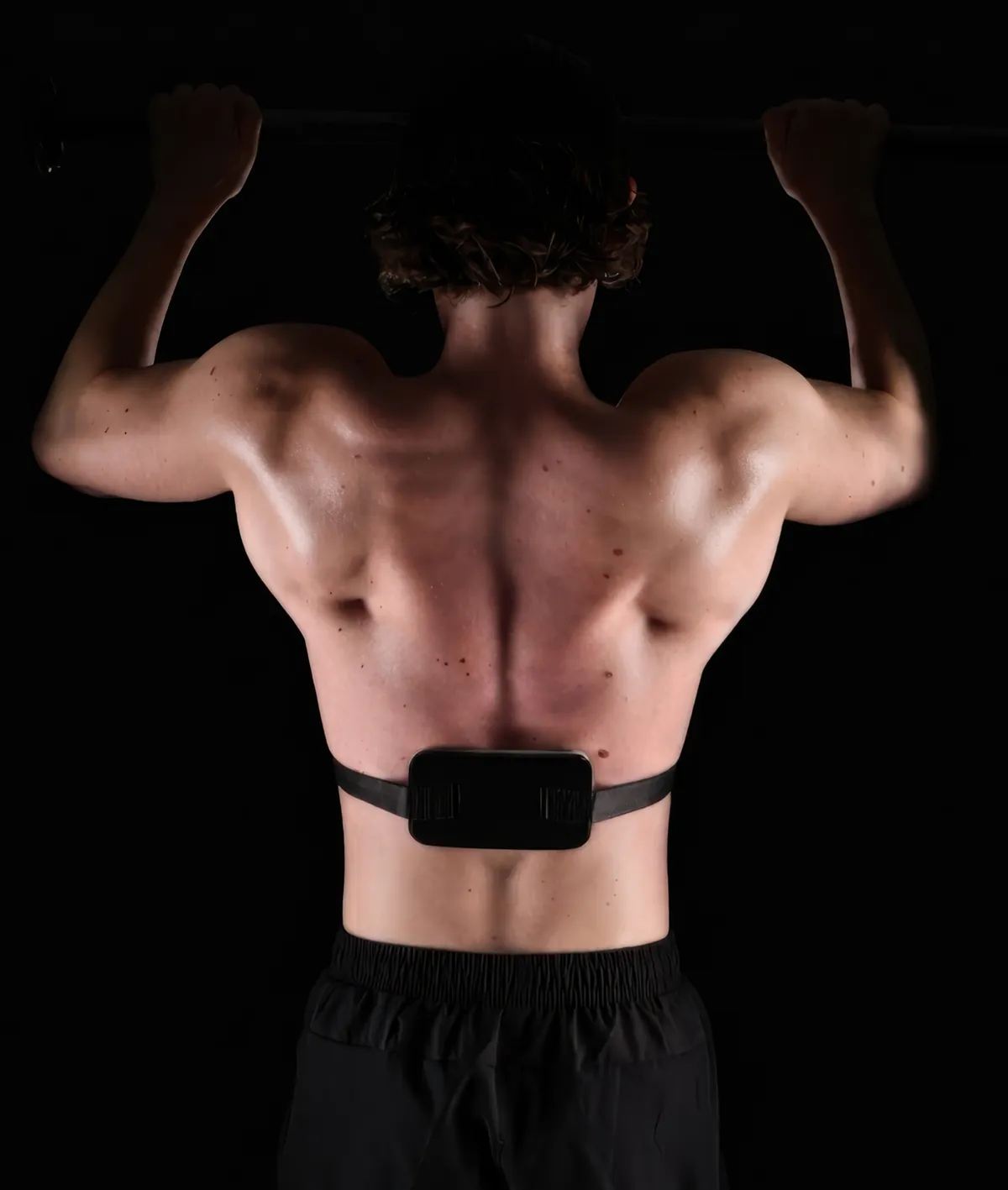
These ten moves are the foundation. The program turns them into a week-by-week plan with the loading, the order and the checks that tell you it is working.
- Gym and home versions of every session
- Breathing, core and mobility in the right order
- How to progress without the ribs popping back up

This article is for educational purposes only and does not constitute medical advice. Always consult a qualified healthcare professional before starting any treatment plan. View full disclaimer →