Contents · 8 sections
In this blog post we are exploring the most effective strategies to maintain optimal results and prevent recurrence of pectus excavatum.
The deformity can significantly impact body image and self-esteem of teens and young adults, especially males.
While mild cases may not need intervention, severe forms might need surgical correction like the Nuss procedure.
Study
Despite the effectiveness of pectus surgery, deformity can still come back in about 2% to 37% of cases.
For Nuss procedure, the issues include:
- Not fixing the indentation completely
- Doing the surgery too early
- Excessive dissection
- Removing support structures too soon
- The chest wall is not healing properly
Problems with the support bars can cause problems because of:
- Improper placement
- Low number of bars
- Harsh movements and bar displacement
- Early bar removal
Ensuring the deformity doesn’t return post-surgically is vital for long-term happiness, so let’s dive into details.
Post-Operative Care Importance
Avoid Lying on Your Side
After surgery, you need to avoid lying on your side. This can place undue pressure on the chest area, hindering the healing process.
Instead, rest on your back, preferably at an inclined angle, to facilitate proper recovery. Imagine giving your chest the gentle support it needs during this essential time.
Don’t Bend Forward
Bending forward can strain the sternum, which is recovering, potentially causing complications. Maintain an upright posture as much as possible to allow your chest to heal correctly.
Think of it like keeping a delicate sculpture intact; any wrong move could cause damage.
Proper Lifting Techniques
When lifting objects, use your legs rather than your lower back, or upper body muscles, such as the chest. This technique reduces strain on the healing area and prevents any unnecessary pressure on your chest.
Picture yourself using your legs as powerful levers to protect your healing chest.
Gradual Return to Physical Activity
Follow your surgeon’s guidelines closely for resuming physical activities. It’s essential to gradually reintroduce activities to avoid overwhelming your body.
Start with simple tasks and slowly build up as you gain strength.
Avoid High-Impact Sports
High-impact activities, like contact sports, should be avoided during the initial recovery period. Instead, focus on low-impact exercises to maintain fitness without straining your chest.
Activities like swimming or walking are excellent choices.
Monitor Pain and Swelling
Keep an eye on any unusual pain or swelling. Report these symptoms to your healthcare provider promptly to address any potential issues early on.
Early detection can prevent complications and ensure a smoother recovery.
Breathing Exercises
Deep breathing exercises are beneficial for maintaining lung function post-surgery. Incorporate these exercises into your daily routine to enhance recovery.
Think of it as giving your lungs a daily workout to keep them strong.
Regular Follow-Up Appointments
Regular follow-up appointments with your surgeon are essential. These check-ups allow your surgeon to assess your progress and address any concerns, ensuring you stay on the right path.
Lifestyle Modifications
Maintain a Healthy Weight and Exercise Regularly
Keeping a healthy weight and engaging in regular exercise supports your overall well-being. However, ensure your exercises are low impact to avoid straining your chest.
Be Mindful of Posture
Avoid slouching and be mindful of your posture. Good posture supports chest healing and prevents undue pressure on the sternum.
Balanced Diet and Hydration
A balanced diet rich in protein, vitamins, and minerals promotes healing and tissue repair. Staying hydrated is equally important for overall health and recovery.
Avoid Smoking and Alcohol
Smoking delays the healing process, and alcohol can interfere with wound recovery. Avoid these substances to ensure a smoother recovery.
Stretching
Pectoral Stretch
Stretch your chest muscles by clasping your hands behind your back and gently pulling your arms upward. This stretch enhances flexibility and reduces tension in the chest area.
Wall Angels
Stand against a wall and move your arms up and down in a controlled manner. Wall angels improve shoulder mobility and chest flexibility, aiding in recovery.
Advice from Pectus Patients
Many patients share their experiences online, often expressing concerns about the potential recurrence of deformity after the removal of the Nuss procedure support bars.
It’s important to note that the likelihood of recurrence is very low. Nonetheless, monitoring any changes and consulting a medical professional if concerns arise is essential.
Patients frequently advise each other to be particularly cautious about avoiding strong impacts to the chest, which can occur in certain sports.
Ensuring such precautions are taken is essential for maintaining surgical outcomes.
- Be careful about accidental impacts or heavy pressure on the chest.
- While it’s challenging to prevent all impacts, being cautious during physical activities (e.g., contact sports) can minimize risks.
- Avoid situations where someone might accidentally hit or apply pressure to your chest.
Overcorrection After Pectus Surgery
Overcorrection of pectus excavatum can occur, whether you improve it surgically or non-surgically. Luckily, this rarely happens.
Surgery is the most popular way to treat a severe form of a sunken chest. Still, many patients also successfully corrected their deformity non-surgically using the Dynamic Remodeling Method with Braces.
In both ways, there is evidence that overcorrection can happen in the form of a protruding breastbone (pectus carinatum).
Overcorrection Is a Great Sign
Overcorrection proves that pectus excavatum can be successfully treated non-surgically with the Dynamic Remodeling Method.
According to Dr. Sydney Haje and Davi Haje of the Orthopectus clinic, overcorrection is a side-effect of the treatment that, fortunately, may be fixed with proper treatment.
Overcorrection typically occurs in highly driven patients with flexible abnormalities who are prepared to do anything to avoid surgery and repair the pectus excavatum. It might also occur due to insufficient medical team care during the Dynamic Remodeling Method.
What to Do When Your Sunken Chest Is Overcorrected
When overcorrection occurs, the use of the following methods for pectus excavatum is recommended:
- Reduction in the time the DCC II is worn
- Use of a second orthosis, the type that is created for treating individuals with protruding chests
Fixing the overcorrection doesn’t require any specific therapy. Everything is needed easy tightening adjustments and wearing the brace less frequently.
Overcorrection After Nuss Procedure
Overcorrection can occur after a Nuss procedure. After the pectus bars are implanted, the chest remodeling process begins.
Two or three bars may be necessary to maximize correction. The bars are bent similarly to the desired chest position, but there can be overcorrection due to the pressure of the chest wall, which tends to straighten the bar.
Due to the initial under-correction of the problem, many individuals need a second surgery. It is central to overcorrect the deformity slightly to avoid the anterior chest wall buckling and lower the chance of a repeat.
Studies have shown that in 0.4% of the cases, overcorrection leading to pectus carinatum has happened. However, these patients had severe cases of sunken chest and Marfan syndrome.
When Is Overcorrection Unusual
Since surgery is used to correct even slight cases of pectus excavatum, overcorrection of the pectus excavatum during this treatment is unusual.
Marfan Syndrome and Overcorrection
Patients whose pectus excavatum is caused by Marfan’s syndrome typically have a more severe case and usually need two bars to keep the sternum from collapsing above and below the bar. They are most prone to overcorrection mostly because their chests are very flexible.
Therefore, they must practice deep breathing and posture exercises daily to maximize their results and expand their chests. Overcorrection could be highly noticeable initially, but it usually gets better over time.
Second Surgery
Because it is possible to overcorrect with the Nuss procedure (or a short Nuss bar procedure), it was necessary to do second surgery on specific patients, but it ended successfully.
Overcorrection and Nuss Bar Removal
Pectus bar removal is planned two to four years after the first surgery, but if an overcorrection occurs or any unusual signs, the bar is removed after two years.
Conclusion
Preventing pectus excavatum from coming back after surgery requires a paying attention to surroundings and even discipline.
By following post-operative care instructions, maintaining a healthy lifestyle, and seeking psychological support, patients can enhance their chances of long-term success.
Remember, everyone’s journey is unique, and consulting with a healthcare professional is essential for personalized guidance.
Have you undergone pectus excavatum surgery? Share your experiences and tips in the comments below. Don’t forget to check this website for more tips and updates!
Sources
- aleris.dk. “Recovery after Nuss Procedure (Pectus Surgery).” Accessed August 29, 2024. https://www.aleris.dk/en/hospital-services/pectus-excavatum/faq/recovery-after-nuss-procedure/ Read it
- BelgiumGamer555. “Chances of Pectus Reappearing.” Reddit Post. R/PectusExcavatum, August 25, 2023. www.reddit.com/r/PectusExcavatum/comments/161evbg/chances_of_pectus_reappearing/ Read it
- Cleveland Clinic. “Nuss Procedure: Treatment for Pectus Excavatum.” Accessed August 29, 2024. https://my.clevelandclinic.org/health/treatments/22635-nuss-procedure Read it
- Jaroszewski, Dawn E., MennatAllah M. Ewais, Jesse J. Lackey, Kelly M. Myers, Marianne V. Merritt, Joshua D. Stearns, Brantley D. Gaitan, Ryan C. Craner, Michael B. Gotway, and Tasneem Z. Naqvi. “Revision of Failed, Recurrent or Complicated Pectus Excavatum after Nuss, Ravitch or Cardiac Surgery.” Journal of Visualized Surgery 2 (April 5, 2016): 74. https://doi.org/10.21037/jovs.2016.03.17 Read it
- Verywell Health. “What You Need to Know About Pectus Excavatum Surgery.” Accessed August 29, 2024. https://www.verywellhealth.com/treatment-for-pectus-excavatum-or-sunken-chest-3863568 Read it
- Nuss D, Kelly RE. Indications and Technique of Nuss Procedure for Pectus Excavatum. Thoracic Surgery Clinics. 2010 Nov;20(4):583-97.
- Dore M, Triana Junco P, De La Torre C, Vilanova-Sánchez A, Bret M, Gonzalez G, et al. Nuss Procedure for a Patient with Negative Haller Index. European J Pediatr Surg Rep. 2018 Jan;6(1):e18-22.
- Haje S, Haje D. Overcorrection during treatment of pectus deformities with DCC orthoses: Experience in 17 cases. International orthopaedics. 2006 Sep 1;30:262-7.
- Nuss D, Obermeyer RJ, Jr REK. Pectus excavatum from a pediatric surgeon’s perspective. Annals of Cardiothoracic Surgery. 2016 Sep;5(5):49300-500.
- Pilegaard HK. Short Nuss bar procedure. Annals of Cardiothoracic Surgery. 2016 Sep;5(5):51318-518.
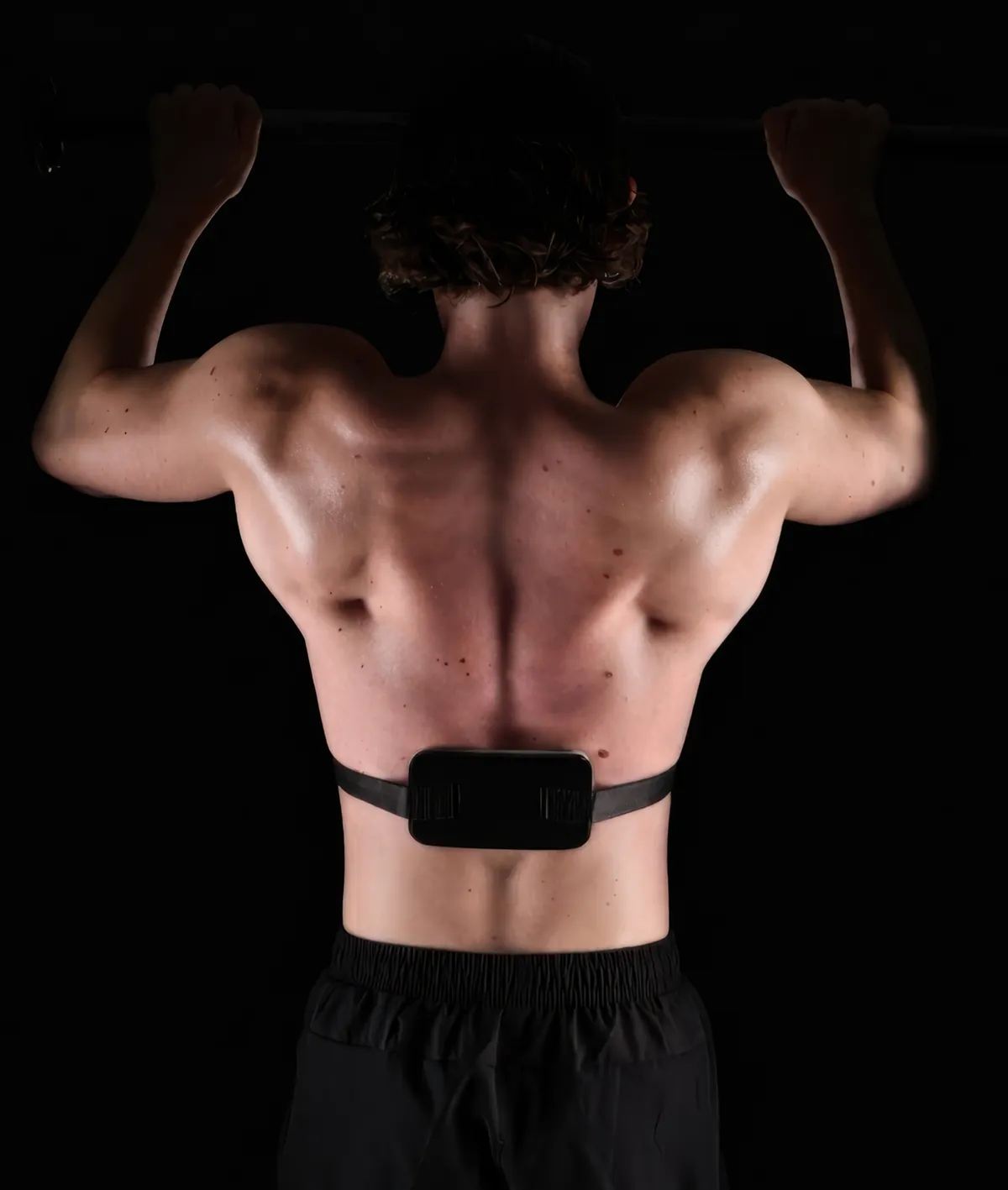
Surgery moved the sternum. What decides how you look and feel a year out is the posture, breathing and loading you rebuild around it.
- Staged from week one to bar removal
- Breathing work that restores capacity
- What to lift, and when it is safe to

This article is for educational purposes only and does not constitute medical advice. Always consult a qualified healthcare professional before starting any treatment plan. View full disclaimer →