Contents · 13 sections
The shirt stays on at the pool. You check the dip in the mirror, then check it again. If your chest takes up more room in your head than you’d like, you’re not alone, and you’re not being vain.
The psychological side of pectus excavatum is real and well documented. How much it bothers someone follows how they see their chest far more than how deep it measures. But nearly every figure comes from people seeing a surgeon, and the pectus guidelines say most people tolerate the condition well. Distress isn’t the same as a mental disorder. Taking it seriously means finding the right kind of help, not assuming a bell, surgery or a workout will fix how you feel.
Struggling right now? Skip to when to get help.
I was diagnosed with pectus excavatum at 15 and corrected it without surgery over about three years. The change was visible and measurable, but not complete. I’m not a doctor or a therapist, so every point below comes from a named study, guideline or health service, and where nobody has studied something, I say so.
Can pectus excavatum affect your mental health?
Yes, for some people. Whether it adds up to a mental disorder is a separate question, and only one study checked that with a diagnostic interview.
In Erlangen, Germany, 90 patients presenting for repair (71 with pectus excavatum, 19 with pectus carinatum) were compared with 82 people without a chest wall condition. Body image was highly disturbed in all the patients. Yet a diagnostic interview found no elevated rates of mental disorders. In Tokyo, 129 people scheduled for surgery scored better than population norms on overall mental quality of life, even though some scored in the depression or social-anxiety range.
The 2024 Pectus Care Guidelines, a consensus from five specialist societies, say pectus is well tolerated by the majority, but some patients are affected psychologically, physiologically or both. Cleveland Clinic lists embarrassment, self-esteem issues and clinical depression among the possible effects, and tells readers to be their own advocate when someone calls it purely cosmetic.
Here’s who the main studies looked at. “Screened positive” means scoring above a questionnaire’s cut-off. It flags someone for a closer look and isn’t a diagnosis.
| Who and where | How it was measured | What they found |
|---|---|---|
| 57 under-18s at one Houston children’s hospital, median age 14, 2021 to 2024 | Screening questionnaires | 42% screened positive for social anxiety and 7% for depression; 53% had impaired quality of life |
| 129 surgical candidates in Tokyo, 2019 to 2021 | Questionnaires | 43.4% in the social anxiety disorder range, 10.9% in the depression range; overall mental quality of life better than population norms |
| 432 adults evaluated for pectus at Mayo Clinic Arizona, median age 30 | Symptom survey | 80% bothered by how their chest looked; 65% reported feelings of anxiety and 65% feelings of depression |
| 266 Nuss patients in Beijing, average age 19, 2009 to 2012 | SCL-90, a broad symptom checklist | 60.5% screened positive for mental health problems before surgery |
| 331 people with untreated pectus excavatum from 47 countries | Online survey of support-group members | 31% had psychosocial symptoms every day |
| 90 patients presenting for repair in Erlangen, plus 82 controls | Questionnaires and a diagnostic interview | Body image highly disturbed; no elevated rates of mental disorders |
Every row but one is a care-seeking sample: people seen by or waiting for a surgeon. The untreated group came through a support group. My interpretation: both kinds of sample likely collect the people it bothers most. The questionnaires differ too, so the numbers can’t be stacked into one figure for everyone with pectus, and I couldn’t find one. The Mayo Arizona answers are “feelings of” survey items, not diagnoses, and that survey’s first author discloses royalties from the maker of the Nuss bar.
Why it doesn’t follow how deep your chest is
In 264 patients aged 8 to 21 at 11 North American children’s hospitals, psychosocial functioning before surgery was unrelated to how severe the chest measured on a CT scan. Houston and Tokyo found the same. Houston compared chests either side of a Haller index of 3.25, a ratio from a chest scan where about 2.5 is average and higher means deeper, and found no difference.
In Istanbul, a study of 180 adolescents aged 10 to 18 (90 with excavatum, 90 with carinatum) plus 90 controls found that how teens saw their own chest was linked to their psychosocial wellbeing, and its measured severity wasn’t. Prof. Mustafa Yüksel, who reviews medical content on this site, co-authored that study.
A Dutch study of 215 patients with 3D chest scans linked deeper and longer dents to distress, but only weakly. Not every study agrees. In 337 children aged 6 to 16 in Chengdu, China, parents reported more withdrawn, anxious and social problems than parents of children without pectus, and severity was one of the things linked to those problems. So was being teased about the chest.
Put together, depth is at most a weak or inconsistent factor. My view: a stranger’s rating of your photo, or a Haller number, can’t tell you how much your chest should bother you.
Pectus excavatum and anxiety
In the Houston and Tokyo groups, social anxiety was far more common than depression-range scores. It often shows up as avoidance. The guidelines describe young people withdrawing from sleepovers, dating, the beach and fashionable clothes. In the Mayo Arizona group, 68% avoided situations where their chest would show, and in Houston 42% were uncomfortable taking their shirt off in public.
My interpretation: avoiding things can keep the worry going. That’s a general idea from cognitive behavioural therapy (CBT), a talking therapy that works on the links between thoughts, feelings and behaviour. Nobody has tested it in pectus. If hiding is starting to run your days, see my guide to hiding pectus excavatum.
Panic attacks
I couldn’t find a study on panic attacks in people with pectus.
My rule: don’t label chest pain or a racing heart as panic yourself, especially if nobody has checked your heart. Panic can make your chest pound and tighten, and so can a heart problem. Get checked once, so you’re not guessing every time. More in pectus excavatum and heart problems.
Call 911 (999 in the UK) or your local emergency number now if you have any of these. Don’t drive yourself.
- palpitations that won’t stop
- palpitations with chest pain, shortness of breath, feeling faint or fainting
- sudden chest pain or pressure that doesn’t go away
- chest pain that spreads to your arm, neck, jaw or back
- chest pain with sweating, feeling sick, light-headedness or breathlessness
That list follows the NHS advice on chest pain and palpitations, as in my heart problems guide.
If panic attacks keep coming back, see a doctor. For a breathing technique to use in the moment, see my breathing exercises.
Stress
The pectus studies above measured anxiety, low mood and quality of life. I couldn’t find one that measured stress on its own.
In adults generally, an umbrella review of 1,039 trials in 128,119 adults found physical activity had medium effects on psychological distress compared with usual care. Breathwork trials showed small-to-medium drops in stress, though their reviewers warn against the hype, and a JAMA Internal Medicine review of 47 meditation trials found only low evidence that mindfulness programs ease stress. More under what helps.
Low mood and depression
Low mood shows up across the care-seeking groups, at very different rates: 7% of the Houston children screened positive for depression, 10.9% of the Tokyo candidates scored in the depression range, and 65% of the Mayo Arizona adults reported feelings of depression. Among the 266 Beijing Nuss patients, 57.5% had depression-range scores before surgery and 28.6% a year after. That study had no comparison group, and older patients and those who’d had pectus longer were more likely to stay low.
A screening score or a “feelings of” answer isn’t a diagnosis of depression, and the Erlangen interview study found no elevated rates of mental disorders.
Low mood that sticks around, or stops you doing things you used to enjoy, is a reason to see a GP, family doctor or therapist. Don’t wait until it feels severe.
Self-esteem and body image
In Houston, 40% of the children were dissatisfied with their body and 38% felt different from others. In Erlangen, worse body image went with lower self-esteem and lower mental quality of life, and the authors suggested body image may weigh more in decisions about surgery than physical limits do.
If the worry is mostly about partners and intimacy, see dating with pectus excavatum.
Pectus excavatum and body dysmorphia
Body dysmorphic disorder (BDD) is a mental health condition in which someone spends a lot of time worrying about flaws in their appearance. The NHS says those flaws are “often unnoticeable to others”, and that BDD is most common in teenagers and young adults. Its signs include:
- worrying a lot about one part of your body
- spending a lot of time comparing your looks with other people’s
- checking mirrors a lot, or avoiding them completely
- going to great lengths to hide what you see as a flaw, for example through the clothes you choose
The NHS says BDD can lead to depression, self-harm and thoughts of suicide.
Pectus makes this complicated. It’s a real, visible difference, not an imagined one. But worry about a real difference can still grow out of proportion, and some of those signs will sound familiar to anyone who has hidden their chest. Having some of them doesn’t mean you have BDD. Only a mental health professional can assess that. Not a surgeon: the Pectus Care Guidelines say surgeons aren’t trained in psychological assessment or in telling body dysmorphia apart. And not me, or a quiz.
If this sounds like you, the NHS route is to see a GP. Under-18s may be referred to local children and young people’s mental health services, and in England you can refer yourself to an NHS talking therapies service. The NHS says mild symptoms are usually treated with CBT, and moderate ones with CBT or an antidepressant. Outside the UK, your family doctor is the place to start.
Who it hits hardest
Teenagers
Age keeps coming up. In a small German study of 56 patients from 1999, children over 11 showed more embarrassment, social anxiety, feelings of stigma and depressive reactions than younger ones. In a Serbian study of 58 patients aged 10 to 30, emotional state, withdrawal and self-image were worse in those older than 15. The guidelines say this psychological harm “occurs at a crucial time” in physical and social development.
Women
Women aren’t spared, whatever you may have read. In the Serbian study, female patients reported a significantly worse experience, and parents were more concerned for daughters. Among 236 Swedish Nuss patients, men scored better than women on quality of life after surgery. In the Mayo Arizona group, women were more likely to feel dismissed by doctors. More in pectus excavatum in women and girls.
Adults who never got treated
The untreated group from 47 countries is the only large sample from outside a surgeon’s office, and it’s self-selected. In it, 61% felt providers could do more about psychosocial symptoms, only 8% were very satisfied with their last pectus visit, and most had met providers who lacked basic knowledge of pectus. In Beijing, older age and a longer time with pectus were linked to low mood that persisted after surgery. More in pectus excavatum later in life.
Does fixing your chest fix how you feel?
For many people who have surgery, how they feel about their chest improves. It isn’t guaranteed, and it isn’t the same as better mood overall.
- After surgery. In the 11-hospital North American study, body image and parent-rated social self-consciousness improved a year after surgery. A 2023 meta-analysis of 7 studies with 478 patients up to age 60 found self-esteem rose after the Nuss procedure, on low-quality evidence. In 131 Dutch Nuss patients, self-esteem and body image improved, mostly within six weeks, but overall quality of life and general health didn’t change significantly. In Beijing, 29.7% still screened positive for mental health problems a year after surgery.
- What the guidelines say. They rate the evidence as good that patients psychologically affected by their pectus benefit from surgery (a class IIa, level B recommendation). Anyone operated on for psychological reasons should first see a psychologist. More in my pectus excavatum surgery guide.
- Vacuum bell. In a 12-week randomised study of 26 boys aged 11 to 18 in Istanbul, co-authored by Prof. Yüksel, the boys’ view of their own chest improved with the bell, with or without added physiotherapy. In 240 UK children, selected because their breastbone lifted the first time the bell was applied, satisfaction rose from 3.81 to 7.94 out of 10 over 18 to 24 months. A 2026 review of 27 bell studies found satisfaction reported in 18 and functional or psychosocial improvement in 10. These measure how people see their chest and how satisfied they are. I couldn’t find a bell study that measured anxiety or depression. More in vacuum bell therapy.
- Time. At an Amsterdam pectus centre, patients joined the surgical waiting list at around 16 and waited about 4.7 years on average because of a Covid backlog. By then only 23 of the 44 with pectus excavatum still wanted surgery, and those who dropped out most often gave body acceptance as the reason. One centre, a small group, but feelings about a chest can change.
I respect surgery, and none of this is a recommendation for or against it. Non-surgical correction is slow: mine took about three years. If your mood is riding on your chest changing, it’ll be riding on it for months or years.
What helps
Most of what has evidence for helping with how you feel was tested in other groups, not people with pectus.
| Option | What the evidence shows | Tested in pectus? |
|---|---|---|
| Talking to a professional, including therapy | The Pectus Care Guidelines call psychological therapy an option for all types of pectus, to help people cope with its impact | No. The guidelines recommend it, but it hasn’t been tested in pectus specifically |
| Online programs for visible differences | In a randomised trial of 189 teens aged 11 to 18 in Norway and the Netherlands who were distressed by a visible difference, those who completed a self-guided online program had less social anxiety than those given usual care, but no change in body esteem | No, other visible differences |
| Exercise | Medium effects on depression, anxiety and distress in adults. In people with clinical depression, walking or jogging, yoga and strength training gave moderate reductions, with low certainty | No, adults generally |
| Mindfulness meditation | Moderate evidence for less anxiety and depression, but no better than other active treatments such as medication or exercise | No, adults generally |
| Breathing exercises | Small-to-medium drops in stress, anxiety and depressive symptoms | No, adults generally |
| Stand-alone body-image self-help | Small improvements once the results were corrected for bias | No, general populations |
For children and teens with visible differences, a 2024 review of 24 studies rated 20 at high risk of bias, so the evidence for young people is weak.
My view: therapy has the clearest endorsement for pectus, though nobody has trialled it here. Exercise is a good habit for mood, not a replacement for treatment if you’re struggling. The Amsterdam authors said counselling and strength training should be part of pectus care, especially for young patients without physical symptoms. My routines are in pectus excavatum exercises.
If you want to work on the worry yourself, I made the Confidence Program, a self-guided program based on CBT. It’s my own product. It doesn’t change your chest, it’s self-help rather than clinical care, it isn’t meant for someone in crisis, and it hasn’t been tested in a study. If you’re struggling badly, start with a professional.
For parents
Ask, don’t assume. In the Houston study, parents and children often disagreed on the child’s quality of life and body image. University of Utah Health advises parents to be a good listener, validate their child’s feelings, and find a qualified mental health specialist if the distress is significant.
Teasing matters too: in the Chengdu study it was linked to children’s problems, so ask about it directly. For parents of younger children, there’s more in pectus excavatum in babies and kids.
When to get help
A rough guide, not a diagnosis:
- Self-conscious, but still doing things. It sometimes bugs you, but you still swim, date, play sport and see friends. The options above are a reasonable start.
- It’s getting in the way. You’re avoiding pools, sport, dating or photos, checking or avoiding mirrors a lot, or your mood has been low for a while and isn’t lifting. See a GP, family doctor or therapist. If you’re under 18, tell a parent or another adult you trust.
- Get help now. You’re thinking about hurting yourself, or you don’t feel you can keep yourself safe. Use the lines below today.
I couldn’t find a study that looked at suicide or self-harm in people with pectus. That doesn’t mean it doesn’t happen, and you don’t need a diagnosis to ask for help.
If you’re thinking about hurting yourself, or you don’t feel safe, get help now. If you’re in immediate danger, call your local emergency number: 911 in the US and Canada, 999 in the UK, 000 in Australia.
- US: call, text or chat 988 any time, or text HOME to 741741.
- UK: call Samaritans free on 116 123, any time. The NHS urgent help page says that if you’re under 19 you can also call Childline on 0800 1111, and in England you can call 111 and choose the mental health option.
- Canada: call or text 9-8-8 any time. Young people can call Kids Help Phone on 1-800-668-6868 or text CONNECT to 686868.
- Australia: call Lifeline on 13 11 14 or text 0477 13 11 14. Young people can call Kids Helpline on 1800 55 1800.
- Anywhere else: findahelpline.com lists free, confidential helplines by country.
What to do next
Pick the line that sounds like you.
- Struggling right now. Use the help lines in when to get help.
- It’s getting in the way. See a GP, family doctor or therapist, and ask about CBT.
- You want to work on it yourself. Start with the Confidence Program above and the practical tips in pectus excavatum and self-confidence.
- Questions about your chest itself. For a sense of how significant yours is and which route fits, take my free 1-minute quiz. If you have chest pain, breathlessness or a racing heart that nobody has checked, read the symptoms worth getting checked first.
Whatever you pick, be honest about time. Structural change without surgery is measured in months and years, so don’t put getting help on hold until your chest changes.
Sources
- Steinmann C, et al. Eur J Cardiothorac Surg. 2011;40(5):1138-45. Read it
- Matsuda K, et al. JTCVS Open. 2024;19:355-69. Read it
- Dunning J, et al. Pectus Care Guidelines. Eur J Cardiothorac Surg. 2024;66(1):ezae166. Read it
- Pectus Excavatum. Cleveland Clinic. Last updated 2023 Aug 11 [cited 2026 Oct 21]. Read it
- Sutyak KM, et al. Surgery. 2025;185:109546. Read it
- Jaroszewski DE, et al. J Thorac Dis. 2024;16(12):8565-81. Read it
- Luo L, et al. Ann Thorac Cardiovasc Surg. 2017;23(4):175-80. Read it
- Eisinger RS, Islam S. Chest. 2020;157(3):590-4. Read it
- Kelly RE Jr, et al. Pediatrics. 2008;122(6):1218-22. Read it
- Alaca N, Yüksel M. Pediatr Surg Int. 2021;37(6):765-75. Read it Co-authored by Prof. Mustafa Yüksel.
- Janssen N, et al. Eur J Pediatr Surg. 2025;35(3):247-54. Read it
- Ji Y, et al. Health Qual Life Outcomes. 2011;9:28. Read it
- Chest pain. NHS. [cited 2026 Oct 21]. Read it
- Singh B, et al. Br J Sports Med. 2023;57(18):1203-9. Read it
- Fincham GW, et al. Sci Rep. 2023;13:432. Read it
- Goyal M, et al. JAMA Intern Med. 2014;174(3):357-68. Read it
- Body dysmorphic disorder (BDD). NHS. Page last reviewed 2023 Oct 18 [cited 2026 Oct 21]. Read it
- Einsiedel E, Clausner A. J Cardiovasc Surg (Torino). 1999;40(5):733-6. Read it
- Kostic M, et al. ANZ J Surg. 2023;93(12):2974-80. Read it
- Norlander L, et al. Interact Cardiovasc Thorac Surg. 2022;35(1):ivac031. Read it
- Mohamed JS, et al. Ann Transl Med. 2023;11(12):407. Read it
- Zuidema WP, et al. World J Surg. 2018;42(8):2502-6. Read it
- Alaca N, Alaca I, Yüksel M. Interact Cardiovasc Thorac Surg. 2020;31(5):650-6. Read it Co-authored by Prof. Mustafa Yüksel.
- AlShammari A, et al. J Thorac Cardiovasc Surg. 2026;171(3):732-41. Read it
- Kumar B, et al. J Indian Assoc Pediatr Surg. 2026;31(1):4-19. Read it
- van Braak H, et al. J Pediatr Surg. 2025;60(11):162504. Read it
- Zelihić D, et al. Body Image. 2022;40:295-309. Read it
- Noetel M, et al. BMJ. 2024;384:e075847. Read it
- Alleva JM, et al. PLoS One. 2015;10(9):e0139177. Read it
- Waite E, et al. J Pediatr Psychol. 2024;49(1):77-88. Read it
- Living with mild pectus excavatum. University of Utah Health. 2024 Mar 25 [cited 2026 Oct 21]. Read it
- 988 Suicide & Crisis Lifeline. [cited 2026 Oct 21]. Read it
- Crisis Text Line. [cited 2026 Oct 21]. Read it
- Contact a Samaritan. Samaritans. [cited 2026 Oct 21]. Read it
- Where to get urgent help for mental health. NHS. [cited 2026 Oct 21]. Read it
- 9-8-8 Suicide Crisis Helpline. [cited 2026 Oct 21]. Read it
- Kids Help Phone. [cited 2026 Oct 21]. Read it
- Lifeline Australia. [cited 2026 Oct 21]. Read it
- Kids Helpline. [cited 2026 Oct 21]. Read it
- Find A Helpline. [cited 2026 Oct 21]. Read it
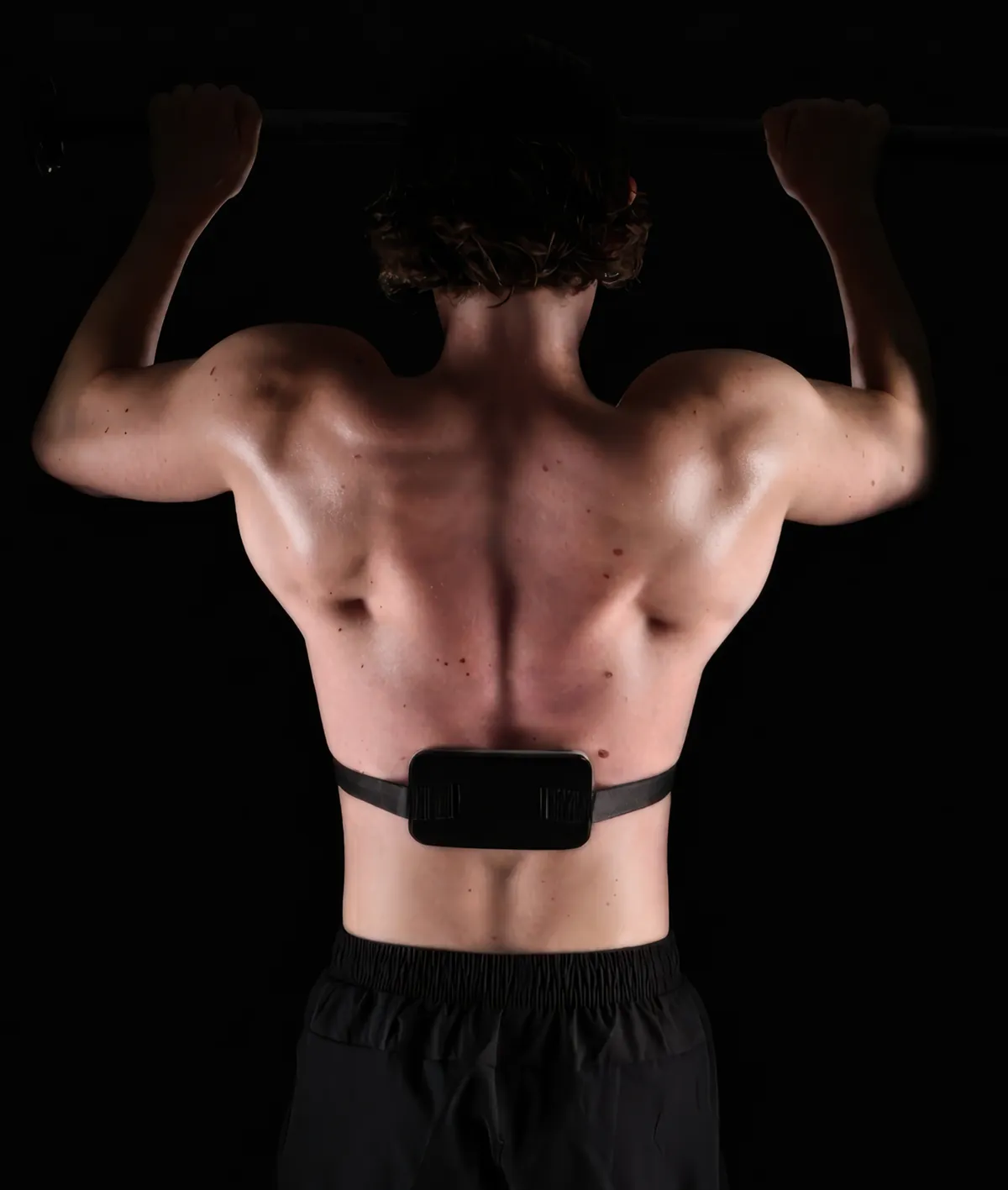
Correcting the chest takes months. Not letting it run your social life in the meantime is its own piece of work, and it is trainable.
- Body image work that is evidence-based
- Scripts for the conversations you dread
- Shirt off in public, worked up to properly

This article is for educational purposes only and does not constitute medical advice. Always consult a qualified healthcare professional before starting any treatment plan. View full disclaimer →